
Why Car Insurance Is So Expensive — Louisiana
Free to compare
Louisiana's Premium Reality
You moved to Louisiana, added a vehicle to your policy, or shopped for a quote and discovered your premium is substantially higher than what you paid in another state. The difference is not a carrier error or a temporary spike. Louisiana consistently ranks among the most expensive states for auto insurance, and the structural reasons behind that cost are specific to how the state's legal system, weather patterns, and driver population interact.
Understanding why Louisiana premiums run high helps you make better decisions about coverage levels, deductibles, and which carriers to compare. The cost drivers are not uniform across the state — some affect urban parishes more than rural ones, and some hit multi-vehicle households harder than single-car policies.
“Louisiana's 11.7% uninsured rate shifts unpaid claim costs to insured drivers, compounding the state's already high premium environment.”

Get More Than the Louisiana Minimum for Less
Get My Louisiana Car Insurance Quote$1,045.66
Louisiana Average Annual Auto Expenditure
Louisiana drivers spent an average of $1,045.66 per insured vehicle in 2023, reflecting the state's position as one of the higher-cost markets in the region. This figure includes all coverage types and driver profiles.
NAIC Auto Insurance Database Report 2023
Legal Environment and Claim Costs
Louisiana operates under a tort-based liability system, meaning the at-fault driver's insurance pays for damages in an accident. The state does not require personal injury protection or no-fault coverage, so every injury claim becomes a liability claim against the responsible party's policy. This structure increases the frequency and severity of bodily injury claims compared to no-fault states.
Louisiana's legal environment historically allowed for higher jury awards and broader liability interpretation than many neighboring states. Tort reform legislation passed in recent years has begun to address some of these cost drivers, but the effects on premiums lag behind the legal changes. Carriers price policies based on multi-year claims data, so structural legal shifts take time to show up in rate filings.
The state's minimum liability limits are $15,000 per person for bodily injury, $30,000 per accident, and $25,000 for property damage. These minimums are lower than many states, which means more drivers carry insufficient coverage to fully pay claims after a serious accident. When an at-fault driver's policy exhausts its limits, the injured party may pursue other avenues, increasing litigation rates and driving up overall claim costs across the market.

Louisiana's 11.7% uninsured motorist rate means roughly one in nine drivers on the road carries no insurance, shifting unpaid claim costs to insured drivers through uninsured motorist coverage and carrier loss pools.



Traffic Patterns and Accident Rates
Louisiana drivers traveled 56,514 million vehicle miles in 2022, and the state recorded 1.46 traffic fatalities per 100 million vehicle miles traveled in 2023. That fatality rate is higher than many states, reflecting a combination of rural highway speeds, urban congestion, and impaired driving. Alcohol-impaired crashes accounted for 29% of traffic fatalities in 2023, a rate that increases liability claim severity and drives up bodily injury coverage costs.
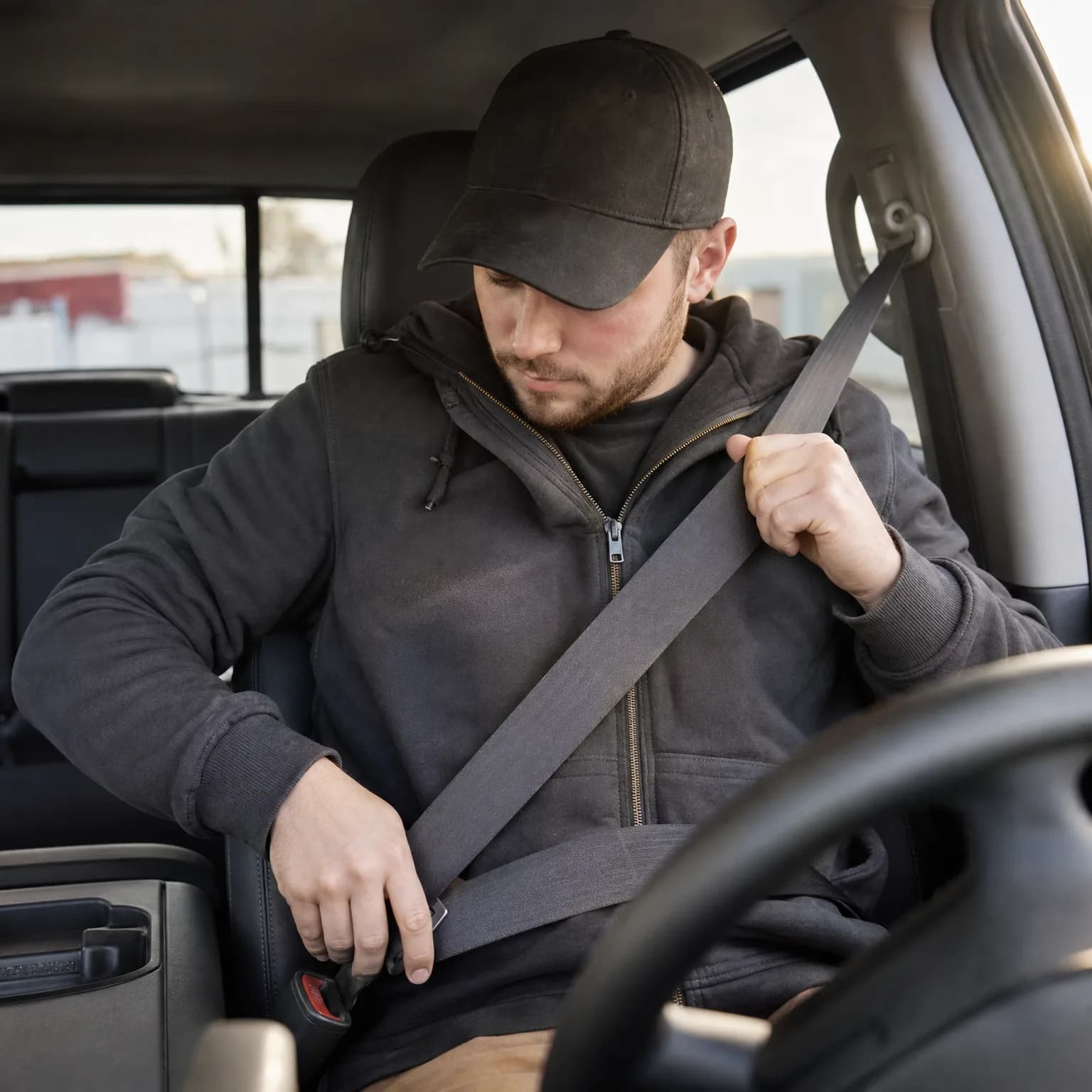
Seat-belt use in Louisiana stood at 86.1% in 2022, below the national average. Lower belt use correlates with higher injury severity in crashes, which increases medical costs and liability payouts. Carriers factor these injury patterns into their rate structures, and the result is higher liability premiums across the board.
Multi-vehicle households face compounded exposure. If you insure three cars in Louisiana, each vehicle's liability premium reflects the state's elevated claim frequency and severity. Adding a vehicle to your policy does not simply add a flat amount — the entire policy re-rates based on the combined exposure of all vehicles and drivers on the policy.
3,401,947
Louisiana Licensed Drivers
Louisiana had 3,401,947 licensed drivers in 2022, operating 4,593,542 registered motor vehicles. The ratio of vehicles to drivers creates dense traffic in urban areas and increases collision frequency, particularly during peak commute hours.
Louisiana Office of Motor Vehicles

Carrier Competition and Market Dynamics
Louisiana's high-cost environment affects which carriers write policies in the state and how aggressively they compete for business. Some national carriers maintain a limited presence or write only preferred-tier drivers, while others focus on non-standard or high-risk segments. The carrier roster in Louisiana includes both large national writers and regional specialists, but premium variation between carriers is wider than in lower-cost states.
If you insure multiple vehicles, comparing carriers becomes more important in Louisiana than in states with tighter rate bands. A carrier that offers competitive rates for a single driver may price a multi-vehicle household differently, and the multi-car discount structure varies by carrier. Some carriers apply the discount to every vehicle on the policy; others apply it only after the second vehicle. The base rate matters more than the discount percentage — a smaller discount on a lower base rate often beats a larger discount on a higher one.
What You Can Control
You cannot change Louisiana's legal environment, weather patterns, or statewide claim rates, but you can structure your coverage to manage costs without leaving gaps. Start by confirming you carry at least the state's minimum liability limits: $15,000 per person, $30,000 per accident, and $25,000 for property damage. Those minimums are low, and many drivers choose higher limits to avoid out-of-pocket exposure after a serious accident.
Comprehensive and collision deductibles directly affect your premium. Choosing a $1,000 deductible instead of a $500 deductible lowers your premium, but you pay the first $1,000 of any covered claim out of pocket. If you insure multiple vehicles, consider whether every car needs the same deductible. An older vehicle with low market value may not justify a low deductible, while a newer car benefits from lower out-of-pocket risk. Compare carriers that write multi-vehicle policies in Louisiana and request quotes with different deductible combinations to see how each choice affects your total premium. The state's high baseline cost makes carrier comparison more valuable here than in lower-cost markets.
Weather and Geographic Risk
Hurricane season runs from June through November, and even storms that do not make direct landfall in Louisiana can produce flooding, wind damage, and hail across wide areas of the state. Comprehensive coverage pays for weather-related vehicle damage, and carriers price that coverage based on the frequency and severity of claims in each parish. Coastal parishes and low-lying areas near Lake Pontchartrain and the Mississippi River face higher comprehensive premiums than northern parishes with less flood exposure.
Vehicle theft rates also contribute to comprehensive costs. Louisiana recorded 228.3 motor vehicle thefts per 100,000 population in 2024, above the national average. Urban parishes see higher theft rates than rural areas, and carriers adjust comprehensive premiums by ZIP code to reflect local risk. If you garage your vehicles in New Orleans, Baton Rouge, or Shreveport, expect higher comprehensive premiums than a driver in a rural parish with the same coverage limits and deductible.
Get Your Free Quote
Get My Louisiana Car Insurance QuoteFrequently Asked Questions
Why is Louisiana car insurance more expensive than neighboring states?
Louisiana's tort-based liability system, high uninsured motorist rate (11.7%), and elevated claim costs from weather and accident patterns create structural premium pressure. The state's legal environment historically allowed higher jury awards, and coastal hurricane risk increases comprehensive coverage costs. These factors combine to place Louisiana among the highest-cost states for auto insurance.
Does insuring multiple cars in Louisiana cost more than in other states?
Yes. Multi-vehicle policies in Louisiana face the same elevated base rates as single-car policies, and adding each vehicle compounds exposure to the state's high claim frequency and severity. The multi-car discount partially offsets the added cost, but Louisiana's baseline premium environment remains higher than most states regardless of vehicle count.
What is Louisiana's minimum car insurance requirement?
Louisiana requires minimum liability coverage of $15,000 per person for bodily injury, $30,000 per accident, and $25,000 for property damage. These minimums are lower than many states, and drivers often choose higher limits to avoid out-of-pocket exposure after a serious accident.
How does Louisiana's uninsured motorist rate affect my premium?
Louisiana's 11.7% uninsured motorist rate means roughly one in nine drivers carries no insurance. When an uninsured driver causes an accident, insured drivers' uninsured motorist coverage pays for their own damages, and carriers spread the cost of unpaid claims across all policyholders through higher premiums.
Can I lower my Louisiana car insurance premium without dropping coverage?
Yes. Raise your comprehensive and collision deductibles to $1,000 or higher, compare carriers that write multi-vehicle policies in Louisiana, and confirm you are not over-insuring older vehicles with low market value. Carrier rate variation is wider in Louisiana than in lower-cost states, so comparing quotes from multiple carriers often produces meaningful savings.
Does Louisiana require uninsured motorist coverage?
No. Louisiana does not mandate uninsured motorist coverage, but given the state's 11.7% uninsured rate, many drivers choose to add it. Uninsured motorist coverage pays for your injuries and vehicle damage when an at-fault driver carries no insurance or insufficient limits to cover your claim.