What Louisiana Requires Before You Drive
You cannot legally drive in Louisiana without carrying at least $15,000 per person and $30,000 per accident in bodily injury liability coverage, plus $25,000 in property damage liability. These are the state's minimum liability limits, set by statute and enforced by the Office of Motor Vehicles. Every registered vehicle must show proof of insurance meeting these minimums before the OMV will issue or renew registration.
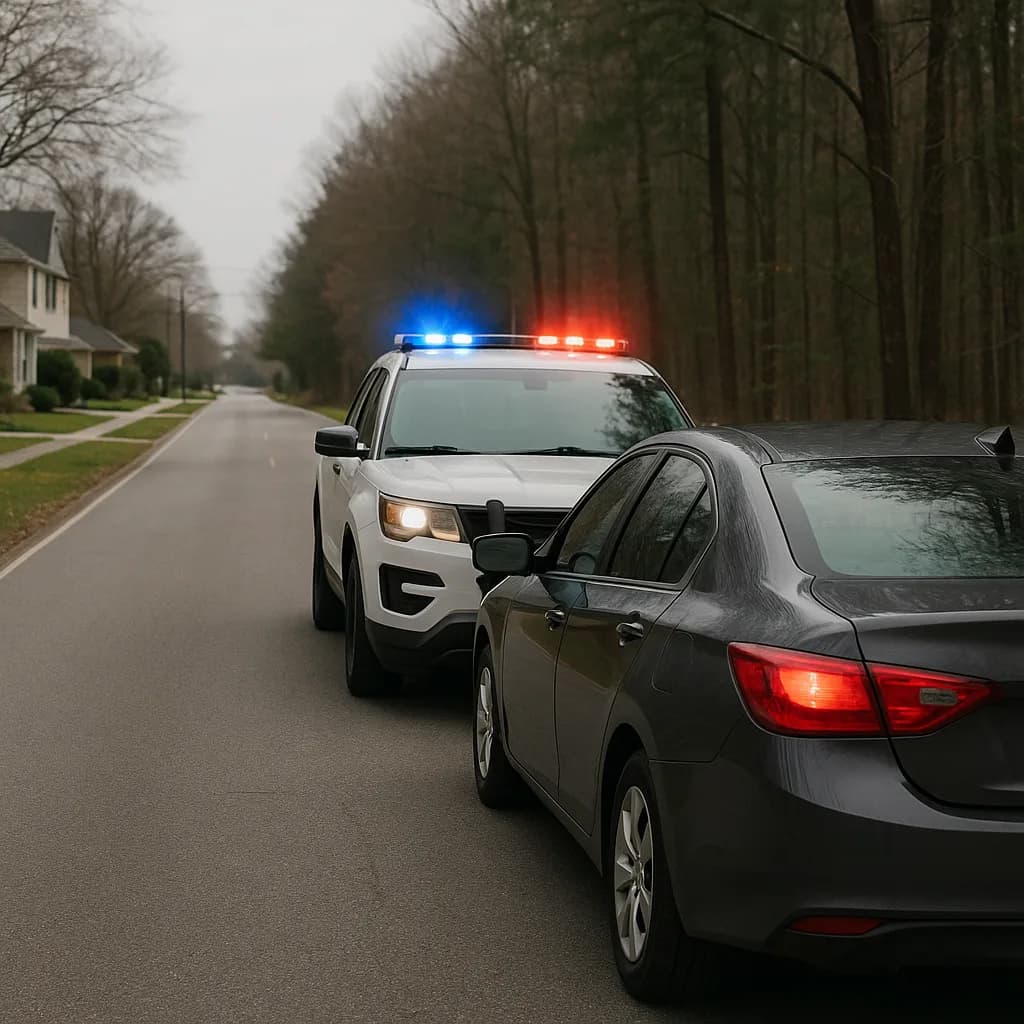
Louisiana law requires you to carry proof of insurance in your vehicle at all times and present it to any law enforcement officer on request. Failure to provide proof at a traffic stop triggers an administrative process that can suspend your license even if you actually have coverage—the burden is on you to prove it, not on the state to verify it after the fact.
Compare car insurance rates in your state
Get quotes from licensed carriers — no obligation, no spam, results in minutes.
Get Your Free QuoteLouisiana Minimum Liability Limits
$15,000 / $30,000 / $25,000
Bodily injury per person, bodily injury per accident, and property damage per accident. These are the floor—many households with multiple vehicles or significant assets carry higher limits to protect against lawsuits that exceed the minimums.
Louisiana Office of Motor Vehicles
How Louisiana's Administrative Suspension System Works
Louisiana operates a two-track system for license suspensions: administrative suspensions handled by the OMV, and criminal suspensions tied to court convictions. The administrative track moves faster and hits first. If you are arrested for DWI or refuse a chemical test under Louisiana's implied-consent law, the OMV can suspend your license immediately—before any criminal trial, before any conviction, sometimes before you leave the parish jail.
The administrative suspension is triggered by the arrest itself or by test refusal, not by a guilty verdict. This catches drivers off guard because they assume their license is safe until court resolves the criminal charge. It is not. The OMV suspension runs on its own timeline, and you must address it separately from your criminal case.
Reinstatement after an administrative suspension requires proof of future financial responsibility—an SR-22 certificate filed by your insurer and maintained for three years.
What SR-22 Filing Means in Louisiana

Louisiana requires SR-22 filing for three years after certain violations: DWI conviction (excluding Article 894 suspended sentences), affidavit of arrest for implied-consent test refusal, or an accident judgment where you entered an installment payment agreement or received a full release. Your insurer files the SR-22 electronically with the OMV, and the OMV tracks the filing period from the date of the conviction or triggering event, not from the date you file.
If your policy lapses or cancels during the three-year SR-22 period, your insurer notifies the OMV immediately, and the OMV suspends your license again. You must maintain continuous coverage and continuous SR-22 filing for the full three years—any gap restarts the clock and triggers a new suspension. Carriers that write SR-22 policies in Louisiana include Geico, Progressive, State Farm, and several non-standard carriers; not every carrier will write SR-22, so you may need to shop specifically for one that does.
Related Articles






Restricted License Eligibility After Suspension
Louisiana allows restricted licenses for economic or medical hardship under Revised Statute 32:415.1. You apply to the OMV after receiving notice of suspension; if the OMV refuses, you can petition the district court in your parish of residence. The restricted license permits driving only on streets and waterways needed to earn a livelihood or obtain medical treatment, and only during the times you are actually working or receiving care.
For DWI-based suspensions, a restricted license requires installation of an ignition interlock device and SR-22 filing for the full three-year period. The interlock requirement is non-negotiable—no interlock, no restricted license. Your petition must allege that loss of driving privileges deprives you of necessities of life, prevents you from earning a livelihood, or prevents medical treatment. The court evaluates your specific circumstances; approval is not automatic.
Restricted licenses do not shorten the underlying suspension period or the SR-22 filing period. They allow limited driving during suspension, but the three-year SR-22 clock still runs from the original conviction or triggering event.
Louisiana Uninsured Motorist Rate
11.7%
More than one in ten Louisiana drivers operates without insurance, which is why uninsured motorist coverage—though not required by the state—protects you when an at-fault driver cannot pay for the damage they cause.
Insurance Information Institute, 2023
Proof of Insurance Rules at Traffic Stops
Louisiana law requires you to present proof of insurance to any law enforcement officer on request during a traffic stop. Acceptable proof includes your insurance ID card (paper or electronic), a binder from your insurer, or a certificate of insurance. If you cannot produce proof at the stop, the officer issues a citation for failure to maintain proof of insurance, and you must appear in court or provide proof to the court clerk within a set window to avoid penalties.
Even if you have active coverage, failure to show proof at the stop triggers the citation. You can resolve it by providing proof to the court, but the administrative hassle and the court appearance requirement are the consequence of not carrying the card. Keep your insurance ID card in your vehicle at all times—Louisiana does accept electronic proof displayed on your phone, but make sure your phone is charged and accessible.
Compare Carriers That Write Louisiana Policies
Louisiana's insurance market includes both standard and non-standard carriers. Standard carriers like State Farm, Geico, Allstate, and Progressive write policies for drivers with clean records and offer competitive rates for households insuring multiple vehicles. Non-standard carriers like Bristol West, Direct Auto, The General, and National General specialize in high-risk drivers, SR-22 filers, and drivers with recent violations—they write policies standard carriers will not touch, though premiums are higher.
When you need SR-22 filing, not every carrier will write the policy. Geico, Progressive, State Farm, Farmers, and USAA all file SR-22 in Louisiana, as do non-standard carriers Bristol West, Direct Auto, The General, and National General. If your current carrier will not file SR-22, you must switch to one that does—and the switch must happen before your suspension begins, because you cannot drive legally without both active coverage and the SR-22 on file with the OMV. Compare carriers that write SR-22 policies in Louisiana and get quotes from at least three before choosing—rates vary widely, and the first quote you receive is rarely the lowest.