
Minimum Coverage vs Full Coverage — Louisiana
Free to compare
The Split-Coverage Household
You own two vehicles in Louisiana. One is financed, and the lender requires collision and comprehensive. The other is paid off, and you're weighing whether to carry the state's $15,000 per person, $30,000 per accident, $25,000 property damage minimum liability or add full coverage to match the financed car. Most drivers assume both cars need identical coverage, but Louisiana law does not require that. The structural reality: each vehicle on your policy can carry different coverage levels, and the decision hinges on asset exposure and lender requirements, not a blanket rule.
This article clarifies what Louisiana's minimum liability actually covers, when full coverage becomes necessary rather than optional, and how to structure a multi-vehicle policy when one car needs comprehensive and collision and the other does not. The goal is to meet legal and lender requirements without overpaying for coverage you do not need.
“Louisiana allows per-vehicle coverage levels on the same policy, so a financed car and a paid-off car do not need identical coverage.”

Get More Than the Louisiana Minimum for Less
Get My Louisiana Car Insurance Quote$15,000/$30,000/$25,000
Louisiana Minimum Liability
Louisiana requires $15,000 bodily injury per person, $30,000 bodily injury per accident, and $25,000 property damage. This is the floor to register and legally drive, but it does not cover damage to your own vehicle or injuries beyond these caps.
Louisiana Office of Motor Vehicles
What Minimum Liability Actually Covers
Louisiana's minimum liability pays for injuries and property damage you cause to others, up to the statutory caps. If you injure someone in an accident and their medical bills exceed $15,000, you pay the difference out of pocket. Minimum liability does not pay for damage to your own car, your own injuries, or anyone riding in your vehicle.
Minimum liability satisfies Louisiana's proof-of-insurance requirement and allows you to register your vehicle. It does not protect your assets if you cause an accident that exceeds the caps, and it does not cover theft, vandalism, weather damage, or collision damage to your own car. For a household with two vehicles, this means the paid-off car carrying minimum liability is exposed to total loss if you hit a tree, someone steals it, or hail damages the body.
Full coverage adds collision (pays for damage to your car in an accident, minus your deductible) and comprehensive (pays for theft, vandalism, weather, and non-collision damage, minus your deductible). Lenders require both when you finance or lease, because the car secures the loan. Once the loan is paid off, the lender requirement drops, and you decide whether the coverage is worth the cost based on the car's value and your ability to replace it.
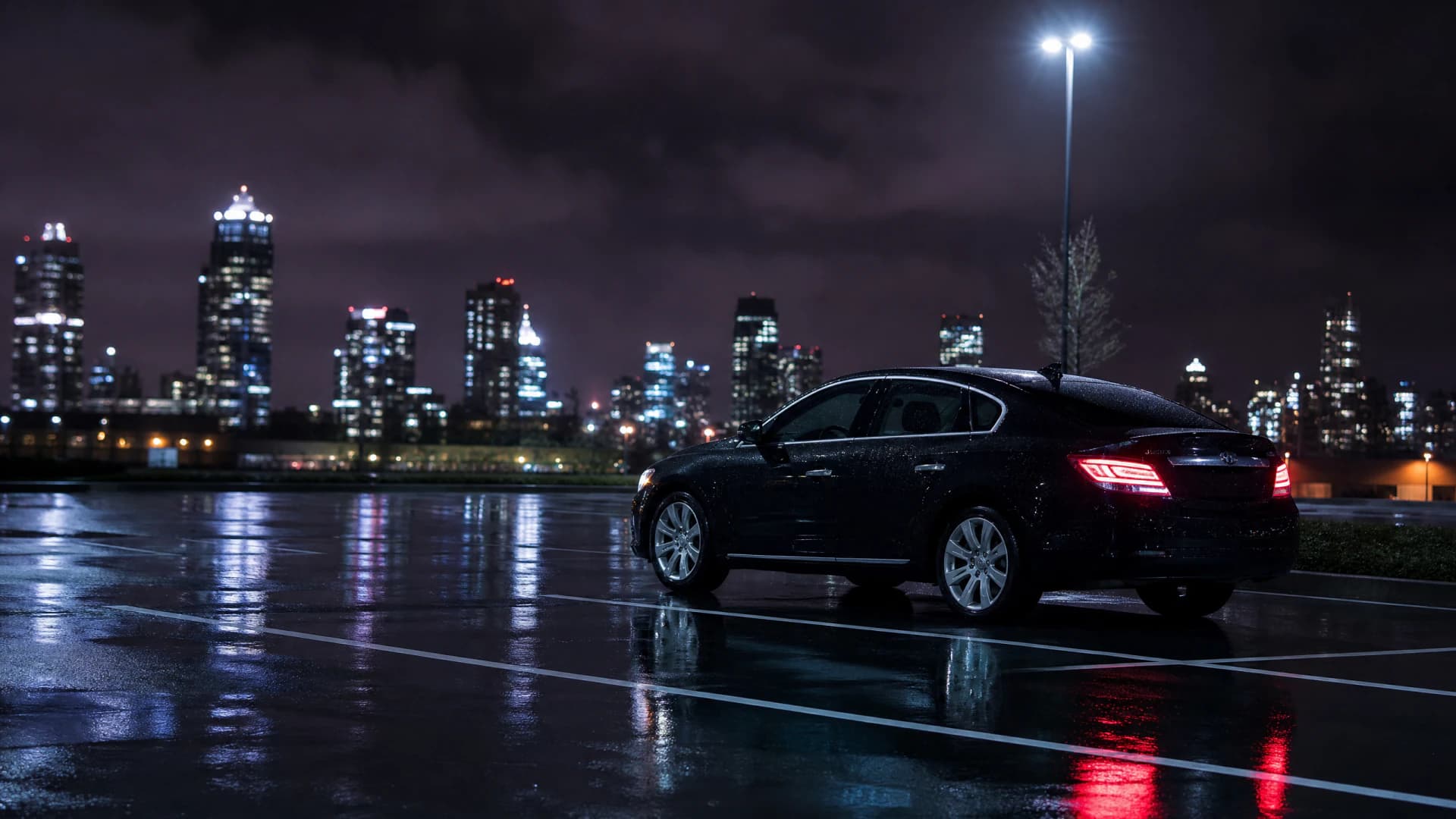
A household with one financed car and one paid-off car does not need identical coverage on both vehicles. Louisiana allows per-vehicle coverage levels on the same policy.
Related Articles





Structuring Coverage Across Two Vehicles on One Policy
Louisiana carriers allow you to assign different coverage levels to each vehicle on a multi-car policy. The financed car carries the lender-required collision, comprehensive, and liability limits that meet the loan agreement. The paid-off car carries minimum liability, or you add collision and comprehensive if the vehicle's value justifies it. Both vehicles sit on the same policy, and the multi-car discount applies to the combined premium.
When you add a second vehicle mid-term, the carrier re-rates the entire policy rather than simply adding a flat amount. The new vehicle's coverage selections, the driver assigned to it, and the garaging address all factor into the re-rated premium. If the second car is older and carries only minimum liability, the premium increase is smaller than adding a second vehicle with full coverage. If both cars carry full coverage, the combined premium benefits from the multi-car discount, but the total cost reflects two sets of collision and comprehensive coverage.
Failure mode: some drivers assume the multi-car discount applies only when both vehicles carry identical coverage. Louisiana carriers do not require coverage parity across vehicles. The discount applies to the policy as a whole, not to matching coverage levels. Verify this with your carrier when adding the second vehicle, because policy structures vary by company.
19 carriers
Louisiana Multi-Vehicle Carriers
Nineteen carriers writing Louisiana auto insurance offer multi-vehicle policies with per-vehicle coverage customization. Compare quotes that reflect your actual coverage needs for each car rather than defaulting to identical coverage on both.
Asset Exposure Beyond the Minimum Caps
Louisiana's $15,000 per person bodily injury cap is low relative to medical costs. A serious injury in a multi-vehicle accident can generate hospital bills, rehabilitation costs, and lost-wage claims that exceed $15,000 quickly. If you cause an accident and the injured party's damages exceed your liability limits, they can sue you personally for the difference. Your assets, savings, and future wages are exposed.
For households with two or more vehicles, the asset-exposure question compounds. If you own two cars, a home, or significant savings, minimum liability leaves those assets unprotected in a severe at-fault accident. This is a separate decision from collision and comprehensive, but it applies to every vehicle on your policy.
Compare Carriers Writing Your Household Structure
Nineteen carriers write multi-vehicle policies in Louisiana with per-vehicle coverage options. Allstate, Geico, Progressive, State Farm, Farmers, and USAA all allow you to carry full coverage on one car and minimum liability on another within the same policy. Rates vary by carrier, vehicle, driver, and garaging location, so a quote from one company does not predict another's pricing.
When comparing quotes, specify the exact coverage you want on each vehicle: liability limits, collision and comprehensive presence or absence, and deductible amounts. A quote that assumes identical full coverage on both cars will overstate your cost if you plan to carry minimum liability on the paid-off vehicle. Request quotes that reflect your actual structure, and verify that the multi-car discount applies to the combined policy regardless of per-vehicle coverage differences. Use Louisiana Car Insurance Requirements' comparison tool to request quotes from multiple carriers that write your household's vehicle count and coverage structure.
When Full Coverage Makes Sense for a Paid-Off Vehicle
A conventional threshold: if the vehicle's current value exceeds what you can comfortably replace from savings, full coverage is a hedge against total loss. Comprehensive coverage pays the actual cash value minus your deductible, typically a $500 or $1,000 out-of-pocket cost rather than the full replacement amount. Collision works the same way for at-fault accidents.
For households insuring multiple vehicles, the calculus changes when one car already carries full coverage. Adding collision and comprehensive to the second vehicle on the same policy costs less than starting a separate full-coverage policy, because the multi-car discount applies to the combined premium. Carriers writing Louisiana multi-vehicle policies typically offer per-vehicle coverage customization, so you can carry full coverage on the financed car and minimum liability on the older paid-off car without splitting into two policies.
Get Your Free Quote
Get My Louisiana Car Insurance QuoteFrequently Asked Questions
Can I carry full coverage on one car and minimum liability on another in Louisiana?
Yes. Louisiana carriers allow per-vehicle coverage levels on a multi-car policy. The financed car can carry collision and comprehensive to meet lender requirements, and the paid-off car can carry minimum liability. Both vehicles sit on the same policy, and the multi-car discount applies to the combined premium.
Does Louisiana require the same coverage on every vehicle I own?
No. Louisiana requires every registered vehicle to carry at least $15,000/$30,000/$25,000 liability, but you can add collision and comprehensive to individual vehicles based on lender requirements or your own asset-protection decisions. Coverage levels do not need to match across vehicles on the same policy.
What happens if I cause an accident and the damages exceed Louisiana's minimum liability limits?
You pay the difference out of pocket. If you injure someone and their medical bills exceed $15,000, or you total a vehicle worth more than $25,000, the injured party can sue you personally for the amount above your liability caps. Your assets, savings, and future wages are exposed.
Is full coverage required on a paid-off car in Louisiana?
No. Once a vehicle is paid off, the lender requirement for collision and comprehensive drops. Louisiana law requires only minimum liability. Whether you carry full coverage on a paid-off car is a decision based on the vehicle's value and your ability to replace it after a total loss.
Does the multi-car discount apply if one vehicle has full coverage and the other has minimum liability?
Yes, in most cases. Louisiana carriers apply the multi-car discount to the policy as a whole, not to matching coverage levels. Verify this with your carrier when adding the second vehicle, because policy structures vary by company.
How much does it cost to add collision and comprehensive to a second vehicle in Louisiana?
It varies by vehicle value, deductible, driver, and carrier. Adding full coverage to a second vehicle on an existing multi-car policy costs less than starting a separate policy, because the multi-car discount applies to the combined premium. Request quotes that specify your actual per-vehicle coverage to see the real cost difference.