
The Gap That Triggers Suspension
You sold your car on a Monday, canceled your policy that same day, and bought a replacement vehicle three weeks later. No law says you must carry insurance when you own no car. But when you registered the new vehicle, the Louisiana Office of Motor Vehicles flagged a coverage gap in your insurance history and suspended your license.
Louisiana does not have a continuous-coverage statute. You are not legally required to maintain insurance during periods when you own no vehicle. But the OMV monitors insurance filings electronically, and any gap between the cancellation of one policy and the start of another triggers an administrative suspension the moment the system detects it. The suspension applies whether you owned a car during the gap or not, because the OMV's monitoring system does not distinguish between voluntary non-ownership and uninsured driving.
Compare car insurance rates in your state
Get quotes from licensed carriers — no obligation, no spam, results in minutes.
Get Your Free QuoteLouisiana License Reinstatement Fee
The base reinstatement fee applies after any administrative suspension, including those triggered by an insurance lapse. The fee is collected before the OMV will restore driving privileges, even when the lapse occurred during a period of non-ownership.
Louisiana Office of Motor Vehicles reinstatement fee schedule
What the OMV Sees as a Lapse
The OMV receives electronic notice when your insurer cancels your policy. It receives a second notice when a new policy begins. If the cancellation date of the old policy precedes the effective date of the new policy by even one day, the system records a lapse. The OMV does not receive notice that you sold your vehicle, transferred the title, or temporarily stopped driving. It sees only the insurance timeline.
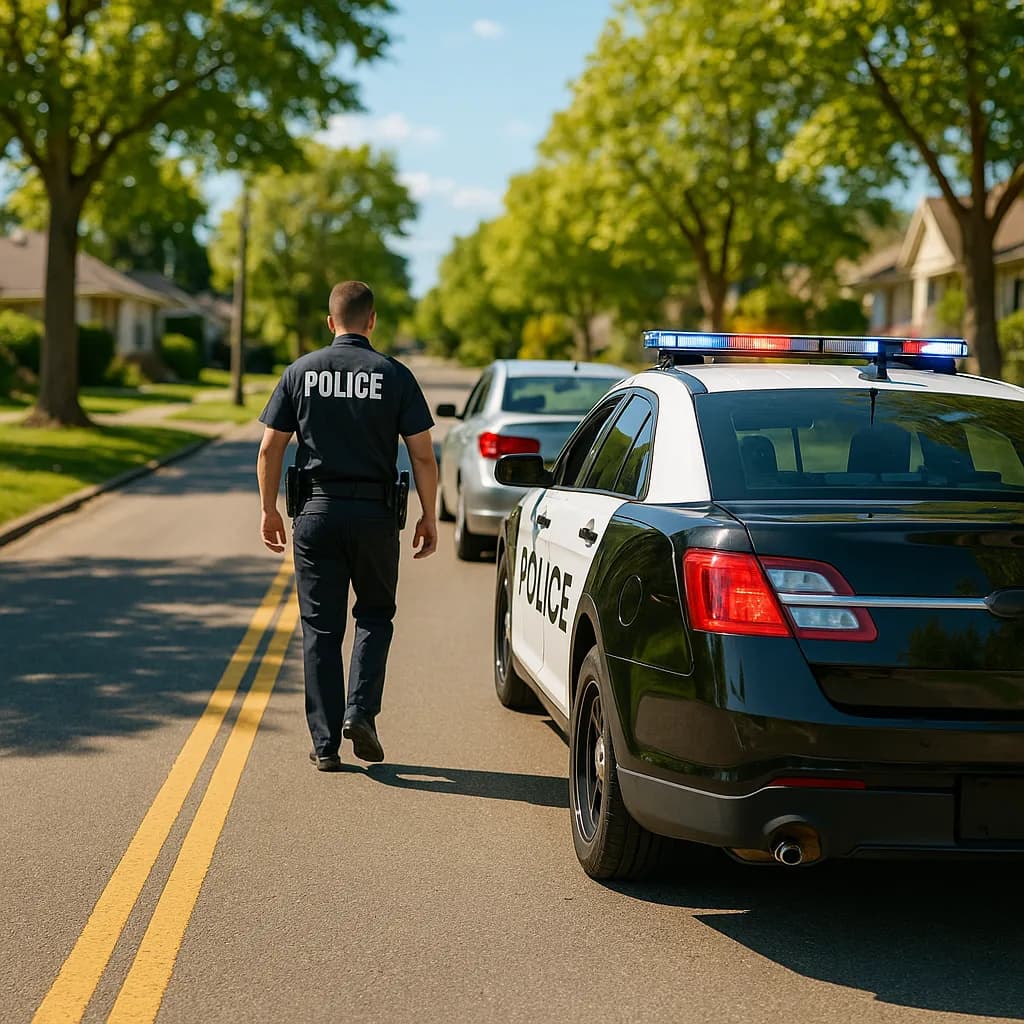
A lapse triggers suspension automatically. The OMV does not send advance warning before suspending your license. You discover the suspension when you attempt to register a new vehicle, renew your license, or get pulled over.
The suspension applies to your driving privileges, not to a specific vehicle. Even if you no longer own the car that was insured under the canceled policy, the OMV suspends your license until you prove you have secured new coverage and paid the reinstatement fee.
The OMV's system flags any gap between policy cancellation and new coverage, even when you owned no vehicle during that period.
How to Avoid a Lapse When Switching Vehicles
When you sell a vehicle and plan to buy another within a few weeks, contact your insurer before canceling the old policy. Ask to switch the policy from the sold vehicle to the replacement vehicle the day you take possession. Most carriers allow you to bind coverage on a newly purchased car over the phone or online, effective immediately. If you have not yet bought the replacement, ask the carrier to issue a named non-owner policy that covers you as a driver without listing a specific vehicle. The non-owner policy maintains continuous coverage in the OMV's system until you buy the replacement car and switch to a standard policy.
If you have already canceled the old policy and the gap has opened, secure new coverage immediately. The OMV's suspension is retroactive to the date the lapse began, but proving you now carry coverage stops further penalties from accumulating. Once you have the new policy in force, contact the OMV to begin the reinstatement process.
Related Articles






Multi-Vehicle Households and Lapse Risk
If you insure two or more vehicles on one policy, removing one vehicle mid-term does not create a lapse as long as at least one vehicle remains on the policy. The OMV sees continuous coverage because the policy itself never cancels. But if you remove the last vehicle from a multi-car policy and the carrier cancels the policy as a result, the same lapse rules apply. The gap opens the moment the policy cancels, not when you sell the last car.
Households that rotate vehicles frequently face higher lapse risk. If you buy and sell cars often, or if household members move in and out and take their vehicles with them, the cleanest approach is to maintain a named non-owner policy as a coverage backstop. The non-owner policy costs less than a standard policy because it carries no vehicle, but it keeps your insurance record continuous in the OMV's system and prevents suspension during ownership gaps.
Louisiana Minimum Liability Limits
$15,000 / $30,000 / $25,000
Louisiana requires $15,000 bodily injury per person, $30,000 bodily injury per accident, and $25,000 property damage. These minimums apply to every policy, including named non-owner policies used to maintain continuous coverage during ownership gaps.
Louisiana Revised Statutes, motor vehicle financial responsibility law
Reinstatement After a Lapse
Once the OMV suspends your license for a lapse, reinstatement requires three steps. First, secure new insurance that meets Louisiana's minimum liability limits. Second, ask your new carrier to file proof of coverage with the OMV electronically. The OMV will not restore your license until all three steps are complete.
The reinstatement process typically takes one to three business days after the OMV receives proof of insurance and payment. You cannot legally drive during the suspension period, even if you have secured new coverage. Driving on a suspended license adds a separate violation and extends the reinstatement timeline.
Compare Carriers That Write Continuous Coverage
Not every carrier writes named non-owner policies, and those that do price them differently. If you need a non-owner policy to bridge an ownership gap, compare quotes from carriers that write this coverage in Louisiana. Geico, Progressive, State Farm, and National General all write non-owner policies for Louisiana drivers. Rates vary by driving history and the length of time you plan to carry the policy.
Use the site's comparison tool to request quotes from carriers writing non-owner and standard policies in Louisiana. Enter your current situation, the coverage you need, and whether you're bridging a gap or insuring a newly purchased vehicle. The tool routes your request to carriers that write your household's coverage structure and returns quotes you can compare side by side.