
Car Insurance After a Lapse — Louisiana
Free to compare
You Let Your Policy Lapse — What Happens Next
Your Louisiana car insurance lapsed — maybe you missed a payment, switched carriers and the timing didn't line up, or you parked a car and let the policy drop. Now you need coverage again, and you're discovering that getting it back is harder than you expected. Carriers are quoting you higher premiums, some are refusing to write you at all, and the Office of Motor Vehicles won't let you renew your registration without proof of current insurance.
Louisiana does not automatically suspend your driver's license when your insurance lapses. The state's enforcement mechanism targets registration, not your license. If you let coverage lapse on a registered vehicle, the OMV receives notice from your insurer and blocks your ability to renew that vehicle's registration until you provide proof of current coverage. If you were driving uninsured during the lapse, you face separate consequences — a $500 fine on first offense, potential vehicle impoundment, and mandatory SR-22 filing for three years if convicted. But if the car sat parked and undriven, the registration block is your primary obstacle.
“Louisiana blocks registration renewal after a lapse, not your license — the path back to coverage depends on whether you drove uninsured or the car sat parked.”

Get More Than the Louisiana Minimum for Less
Get My Louisiana Car Insurance Quote$15,000 / $30,000 / $25,000
Louisiana Minimum Liability
Bodily injury per person, bodily injury per accident, and property damage. Every active policy in Louisiana must carry at least these limits to satisfy state law and clear the OMV registration block.
Louisiana Office of Motor Vehicles
Why Carriers Treat You as High-Risk After a Lapse
Carriers view a lapse in coverage as a predictive signal. Drivers with gaps in their insurance history file claims at higher rates than drivers with continuous coverage, so insurers price lapses into their underwriting models. The longer your lapse, the steeper the surcharge. A gap of 30 days might add 10–20% to your base premium; a gap of six months or more can double it or push you into the non-standard market entirely.
Preferred-tier carriers — State Farm, Allstate, USAA — typically refuse to write new policies for drivers with lapses longer than 90 days. Standard-tier carriers will write you but apply a lapse surcharge that decays over three years of continuous coverage. Non-standard carriers — The General, Direct Auto, Bristol West — specialize in high-risk drivers and will write you immediately, but their base rates are higher to begin with. The structural reality: your lapse moved you down-market, and climbing back to preferred rates requires three years of uninterrupted coverage.
If you had multiple vehicles on one policy and let the entire policy lapse, every vehicle on that policy now carries the lapse flag when you shop for new coverage. Carriers do not distinguish between the car you drove daily and the car that sat in your driveway — the lapse applies to your household, not to individual vehicles. If you're insuring two or more cars again, expect the lapse surcharge to apply across the entire multi-car policy.
Louisiana allows insurers to check your prior-coverage history through the state's insurance database. When you apply for a new policy, the carrier sees the lapse duration, the reason your prior policy ended, and whether you filed any claims during or immediately before the lapse. Lying about your lapse history on an application is material misrepresentation and gives the carrier grounds to rescind your policy retroactively, leaving you uninsured and liable for any claims filed during the coverage period.
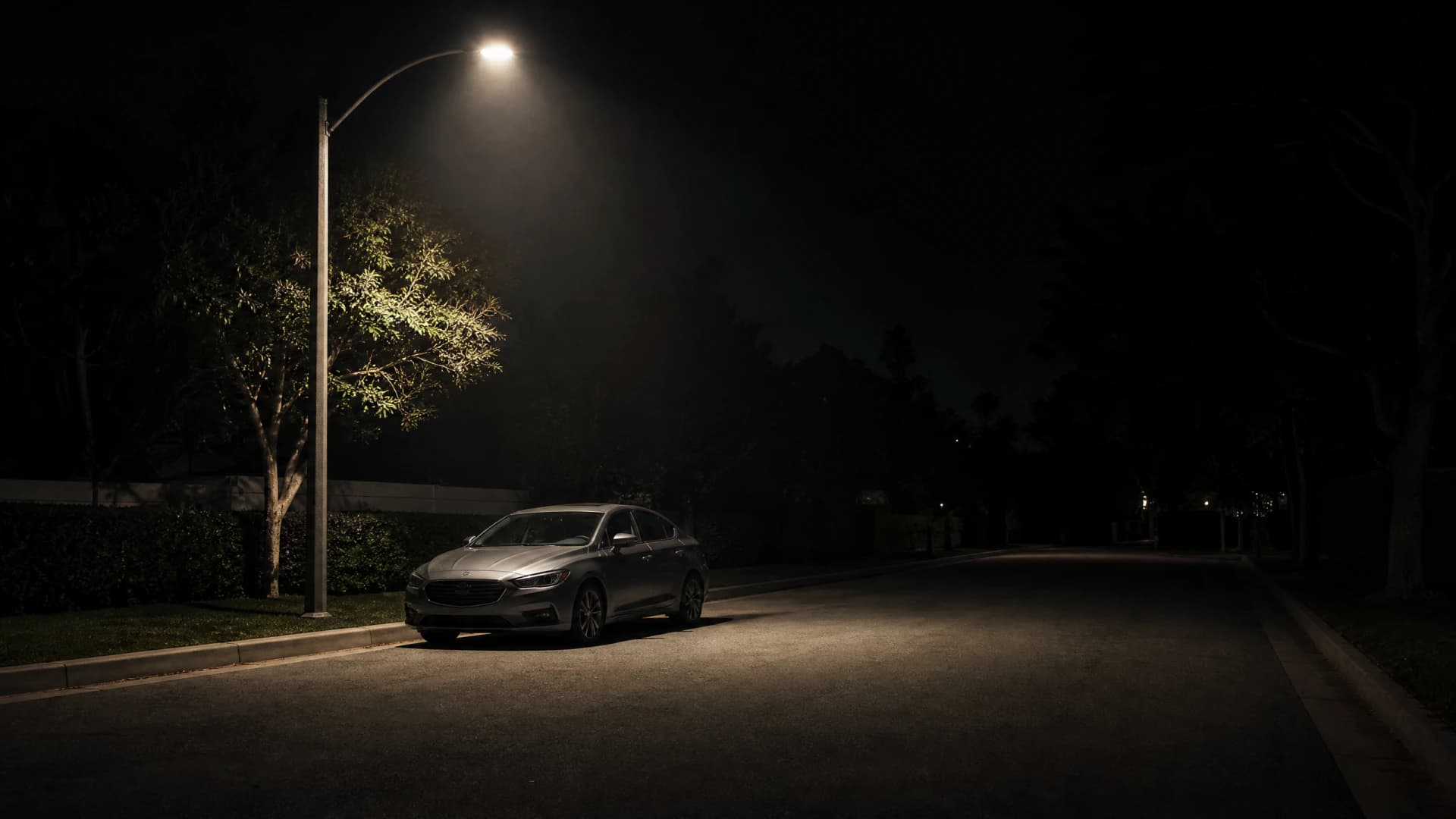
A lapse on one vehicle in a multi-car household flags your entire insurance profile — carriers apply the surcharge across every car you insure, not just the one that lapsed.
Related Articles


What the OMV Requires to Lift a Registration Block
When your insurer reports a lapse to the Louisiana Office of Motor Vehicles, the OMV places a block on your vehicle's registration. You cannot renew your registration, transfer the title, or obtain new plates until you provide proof of current insurance that meets state minimum liability limits: $15,000 bodily injury per person, $30,000 bodily injury per accident, and $25,000 property damage.
Your new carrier files electronic proof of insurance directly with the OMV when your policy binds. The OMV lifts the registration block within 1–3 business days of receiving the filing. If you're switching carriers or buying a new policy after a lapse, confirm with your agent that the carrier has filed the proof electronically before you attempt to renew your registration online or at an OMV office. Paper proof-of-insurance cards are not sufficient to lift a registration block — the OMV requires the electronic filing from the carrier.
If you let multiple vehicles' coverage lapse, each vehicle carries its own registration block. You must insure every registered vehicle to clear all blocks. If you no longer own one of the vehicles, surrender the plates to the OMV and provide proof of sale or transfer to remove that vehicle's block without insuring it. If a vehicle sat undriven during the lapse and you want to keep it off the road, you can request non-operational status from the OMV, but the registration block remains until you either insure the vehicle or surrender the plates.
19 carriers
Louisiana Standard & Non-Standard Carriers
Nineteen carriers write auto insurance in Louisiana across standard and non-standard tiers, including Geico, Progressive, The General, Direct Auto, and Bristol West — all of which write policies for drivers with recent lapses.
Louisiana Department of Insurance carrier roster

If You Drove Uninsured During the Lapse
Louisiana law prohibits operating a motor vehicle without liability insurance. If you were cited for driving uninsured or were involved in an accident while uninsured, you face a $500 fine on first offense, possible vehicle impoundment, and a requirement to file SR-22 for three years. The SR-22 is a certificate your insurer files with the OMV proving you carry at least state minimum liability coverage. The filing itself costs nothing — Louisiana does not charge a state SR-22 fee — but carriers that write SR-22 policies charge higher premiums because SR-22 filers are classified as high-risk.
Not every carrier writes SR-22 policies. Of the 19 carriers writing in Louisiana, 11 offer SR-22 filing: Allstate, Farmers, Geico, Progressive, State Farm, USAA, National General, The General, Direct Auto, Bristol West, and Root. If you need SR-22 and you're insuring multiple vehicles, the SR-22 requirement applies to you as a driver, not to each vehicle individually — one policy covering all your cars satisfies the filing requirement as long as the policy remains active for the full three-year period.
Compare Carriers That Write Post-Lapse Policies
Standard-tier carriers apply lapse surcharges differently. Geico and Progressive use tiered underwriting models that price lapse duration and prior-coverage history into your quote automatically. The General and Direct Auto specialize in high-risk drivers and often quote lower total premiums than standard carriers for drivers with lapses longer than six months, even though their base rates are higher, because they do not layer a lapse surcharge on top of an already-elevated rate. National General and Bristol West write both standard and non-standard policies and can sometimes place you in a mid-tier product that splits the difference.
When you're insuring two or more vehicles after a lapse, the multi-car discount still applies — but the lapse surcharge applies first, then the multi-car discount reduces the surcharged rate. A smaller discount on a lower base rate can beat a larger discount on a higher one, so compare total premium across carriers, not just the discount percentage. Request quotes from at least three carriers in different tiers: one standard (Geico or Progressive), one non-standard (The General or Direct Auto), and one hybrid (National General or Bristol West). Provide accurate lapse dates and prior-coverage details on every application — misrepresenting your history gives the carrier grounds to rescind your policy.
How to Get Coverage Again After a Lapse
If your lapse was under 30 days, start with your prior carrier. Many insurers allow reinstatement within a grace window if you pay the overdue premium plus a reinstatement fee. If your prior carrier won't reinstate, shop standard-tier carriers — Geico, Progressive, Farmers, National General — and expect a small lapse surcharge. Provide proof of your prior policy's end date and your new policy's start date to the OMV to clear any registration block.
If your lapse was 30–90 days, preferred-tier carriers will likely decline you. Focus on standard-tier carriers that write high-risk drivers: Geico, Progressive, The General, Direct Auto, Bristol West. The surcharge decays after 12 months of continuous coverage, then drops further at 24 and 36 months. If you're insuring multiple vehicles, the surcharge applies to the entire policy, not per car.
Get Your Free Quote
Get My Louisiana Car Insurance QuoteFrequently Asked Questions
Does Louisiana suspend your license if your car insurance lapses?
No. Louisiana does not suspend your driver's license for a lapse alone. The state blocks your vehicle registration renewal until you provide proof of current insurance, but your license remains valid. If you drove uninsured during the lapse, you face separate penalties including fines and potential SR-22 filing requirements.
How long does a lapse in coverage affect your car insurance rates in Louisiana?
Carriers apply a lapse surcharge that decays over three years of continuous coverage. A lapse under 30 days adds 10–20% to your premium; a lapse over six months can double it or move you into the non-standard market. The surcharge drops after 12 months, again at 24 months, and disappears at 36 months if you maintain uninterrupted coverage.
Can you register a car in Louisiana without proof of insurance?
No. Louisiana requires proof of liability insurance meeting state minimums — $15,000 per person, $30,000 per accident, $25,000 property damage — to register a vehicle or renew an existing registration. Your insurer files proof electronically with the OMV when your policy binds. Paper insurance cards do not satisfy the registration requirement.
Which Louisiana carriers write policies after a coverage lapse?
Geico, Progressive, The General, Direct Auto, Bristol West, National General, and Farmers all write policies for drivers with recent lapses. Preferred-tier carriers like State Farm and Allstate typically decline drivers with lapses longer than 90 days. Non-standard carriers specialize in high-risk drivers and will write you immediately but at higher base rates.
Do you need SR-22 after a lapse in Louisiana?
Only if you were convicted of driving uninsured during the lapse. A lapse alone does not trigger SR-22 filing. If you were cited for operating without insurance or were in an at-fault accident while uninsured, Louisiana requires SR-22 for three years. Eleven carriers in Louisiana write SR-22 policies, including Geico, Progressive, The General, and State Farm.
How do you clear an OMV registration block after a lapse?
Buy a new policy that meets Louisiana minimum liability limits and confirm your carrier filed electronic proof with the OMV. The block lifts within 1–3 business days of the filing. If you no longer own the vehicle, surrender the plates to the OMV and provide proof of sale to remove the block without insuring it.
Does a lapse on one car affect insurance for your other vehicles in Louisiana?
Yes. Carriers flag your entire household when one vehicle's coverage lapses. If you had multiple cars on one policy and let the policy lapse, the lapse surcharge applies to every vehicle when you buy new coverage. The multi-car discount still applies, but it reduces the already-surcharged rate.