
Louisiana No-Fault Insurance Rules — Louisiana
Free to compare
Louisiana Operates Under Tort Liability, Not No-Fault
Louisiana does not use a no-fault insurance system. The state follows a tort-based liability model, which means the driver who causes an accident is financially responsible for injuries and property damage to others. If you're insuring two or more vehicles in your household, every car on your policy must carry the state's minimum liability coverage, and claims are settled by identifying fault rather than through each driver's own policy first.
This distinction matters for households with multiple cars because the liability coverage you carry on each vehicle determines what happens when a household member causes an accident. In a tort state like Louisiana, the at-fault driver's liability insurance pays the other party's medical bills and repair costs. Your own collision and comprehensive coverage protects your household's vehicles, but liability is the coverage that responds when your driver is at fault.
“In Louisiana, the at-fault driver's liability insurance pays the other party's damages, and anything beyond your policy limits becomes your household's responsibility.”

Get More Than the Louisiana Minimum for Less
Get My Louisiana Car Insurance Quote$15,000 / $30,000 / $25,000
Louisiana Minimum Liability Limits
Louisiana requires $15,000 bodily injury per person, $30,000 bodily injury per accident, and $25,000 property damage. These minimums apply to every vehicle you register and insure in the state.
Louisiana Office of Motor Vehicles
How Tort Liability Works for Multi-Vehicle Households
Under Louisiana's tort system, the driver who causes an accident is liable for the other party's damages. When you insure multiple vehicles on one policy, each car carries its own liability limits, and those limits apply per accident. If a household member driving one of your insured vehicles causes an accident, the liability coverage on that specific vehicle pays the other party's claims up to your policy limits.
This structure differs from no-fault states, where each driver's personal injury protection coverage pays their own medical bills regardless of fault. In Louisiana, the at-fault driver's bodily injury liability pays the other party's medical expenses, and property damage liability pays for vehicle repairs. If your household owns three cars and one driver causes an accident, only that vehicle's liability coverage responds to the claim.
The practical consequence for multi-vehicle households: you need adequate liability coverage on every car, because any vehicle can be the one involved in an at-fault accident. The state's minimum limits are low relative to potential injury costs, and many households choose higher limits to protect assets across the household.
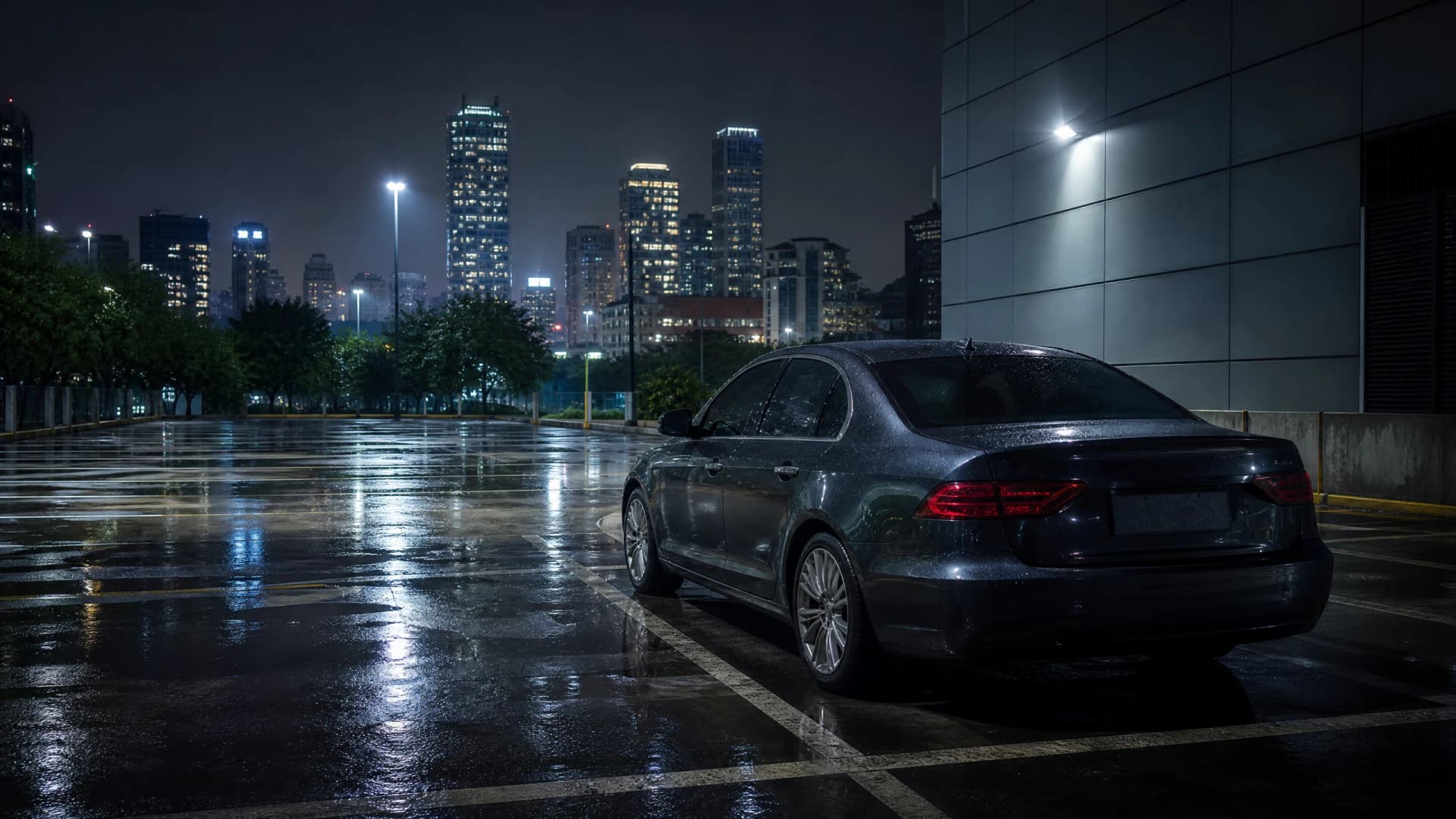
In a tort state, the at-fault driver's liability insurance pays the other party. If your household member causes an accident, your policy's liability limits determine what the insurer pays.



How Claims Are Handled When Your Driver Causes an Accident
When a household member driving one of your insured vehicles causes an accident, the other party files a claim against your liability coverage. Louisiana law allows the injured party to pursue compensation from the at-fault driver's insurer, and if your liability limits are insufficient to cover the full claim, the injured party can sue you personally for the difference. This is the core risk in a tort state: your liability coverage is the first line of defense, and anything beyond your limits becomes your household's financial responsibility.
If the other party's damages exceed your liability limits, they can file a lawsuit to recover the remaining amount from your personal assets. This risk applies to every vehicle in your household. A teen driver causing a serious accident while driving the family's third car can produce a claim that exceeds your policy limits, and the household's savings, home equity, and other assets become vulnerable. Uninsured motorist coverage protects your household when the other driver lacks insurance, but it does not increase your liability protection when your driver is at fault.
Households with multiple vehicles often carry umbrella liability coverage to extend protection beyond the auto policy's limits. This additional layer protects household assets when a severe accident produces damages beyond what your auto policy covers.
11.7%
Louisiana Uninsured Motorist Rate
Approximately 11.7% of Louisiana motorists drive without insurance. Uninsured motorist coverage protects your household when an at-fault driver lacks liability insurance to pay your claim.
Insurance Research Council, 2023
Optional Coverages That Protect Multi-Vehicle Households
Louisiana does not require uninsured motorist coverage, but it is available and recommended for households insuring multiple vehicles. Uninsured motorist bodily injury coverage pays your household's medical bills when an at-fault driver has no insurance or insufficient coverage to pay your claim. Uninsured motorist property damage covers vehicle repairs when the at-fault driver cannot pay. Given Louisiana's uninsured motorist rate, this coverage protects your household from absorbing costs that should have been covered by the other driver's liability insurance.
Collision and comprehensive coverage are optional but protect your household's vehicles from damage regardless of fault. Collision pays for repairs when your car is damaged in an accident, whether your driver was at fault or not. Comprehensive covers non-collision events such as theft, weather damage, and vandalism. For households with multiple financed or leased vehicles, lenders typically require both coverages. For older paid-off vehicles, many households drop collision and comprehensive to reduce premiums, relying on liability and uninsured motorist coverage alone.
Compare Carriers Writing Multi-Vehicle Policies in Louisiana
Louisiana households insuring multiple vehicles should compare carriers that write policies covering all household cars on one account. Carriers writing in Louisiana include State Farm, Geico, Progressive, Allstate, Farmers, and USAA, among others. Multi-car discounts typically apply when every vehicle sits on the same policy, and combining your household's cars under one carrier often reduces the total premium compared to separate policies. Request quotes that reflect your household's actual liability limits, not just the state minimum, and confirm that uninsured motorist coverage is included or available as an add-on. Louisiana's tort system places financial responsibility on the at-fault driver, so the liability coverage you carry on each vehicle determines your household's protection when a driver causes an accident.
What Coverage Applies to Each Vehicle
Louisiana law requires bodily injury liability of at least $15,000 per person and $30,000 per accident, plus property damage liability of at least $25,000. These minimums apply to each vehicle individually. If you insure three cars on one policy, each car must meet the minimum, and the liability coverage on the vehicle being driven at the time of an accident is what responds to the claim. You cannot pool liability limits across vehicles under Louisiana law.
Many households choose higher liability limits than the state minimum, particularly when insuring multiple vehicles. A single serious accident can produce medical bills and property damage that exceed $30,000 bodily injury and $25,000 property damage quickly. Collision and comprehensive coverage on each vehicle protects your own cars from damage, but liability is the coverage that shields you from lawsuits when your driver is at fault.
Get Your Free Quote
Get My Louisiana Car Insurance QuoteFrequently Asked Questions
Does Louisiana require no-fault insurance for multiple vehicles?
No. Louisiana operates under a tort-based liability system, not no-fault. Every vehicle you insure must carry the state's minimum liability coverage, and the at-fault driver's insurance pays the other party's damages.
What happens if my household member causes an accident in Louisiana?
The liability coverage on the vehicle being driven pays the other party's medical bills and property damage up to your policy limits. If damages exceed your limits, the injured party can sue you personally for the difference.
Do I need uninsured motorist coverage for multiple cars in Louisiana?
Louisiana does not require uninsured motorist coverage, but it protects your household when an at-fault driver lacks insurance. Given the state's 11.7% uninsured motorist rate, this coverage is recommended for multi-vehicle households.
Can I pool liability limits across multiple vehicles in Louisiana?
No. Liability limits apply per vehicle, not per policy. Each car must carry the state's minimum liability coverage, and only the vehicle involved in an accident has its liability coverage respond to the claim.
What liability limits should I carry for a multi-vehicle household in Louisiana?
Louisiana's minimum limits are $15,000 per person and $30,000 per accident for bodily injury, plus $25,000 for property damage.