
Full Coverage for Financed Cars — Louisiana
Free to compare
Why Your Lender Demands Full Coverage When Louisiana Doesn't
You bought a car in Louisiana with a loan, and the finance company told you full coverage is required. You checked the state's insurance law and found Louisiana mandates only $15,000 per person, $30,000 per accident in bodily injury liability, and $25,000 in property damage liability — no mention of collision or comprehensive. The lender's requirement feels like it contradicts state law, but both rules are in effect at the same time, governing different things.
Louisiana law sets the minimum insurance you must carry to register a vehicle and drive legally on public roads. Your lender's requirement comes from the loan contract you signed when you financed the car. The contract gives the lender a security interest in the vehicle until you pay off the loan, and the lender protects that interest by requiring you to insure the car against physical damage. If you drop collision or comprehensive, you violate the loan agreement, not state law — but the consequences are immediate and severe.
“Dropping collision or comprehensive on a financed car violates your loan contract and triggers forced-place insurance or repossession, even though Louisiana law does not require those coverages.”

Get More Than the Louisiana Minimum for Less
Get My Louisiana Car Insurance Quote$15,000/$30,000/$25,000
Louisiana Minimum Liability
Louisiana requires $15,000 per person and $30,000 per accident in bodily injury liability, plus $25,000 in property damage liability. These limits cover damage you cause to others, not damage to your own financed vehicle.
Louisiana Office of Motor Vehicles
What Full Coverage Actually Means on a Financed Vehicle
Full coverage is not a single product. It is shorthand for a policy that includes collision coverage, which pays to repair your car after an accident regardless of fault, and comprehensive coverage, which pays for damage from theft, vandalism, weather, fire, and animal strikes. Lenders require both because they need assurance that the vehicle securing the loan will be repaired or replaced if it is damaged or stolen, so the loan can be repaid.
The loan contract specifies the coverage requirements and names the lender as the loss payee. If your car is totaled, the insurance payout goes to the lender first to satisfy the outstanding loan balance. Any amount above the loan balance comes to you. If you carry only Louisiana's minimum liability coverage and your financed car is totaled, the lender receives nothing from your insurance, and you still owe the full loan balance on a car you can no longer drive.
Lenders also require you to carry collision and comprehensive with deductibles they approve — typically $500 or $1,000. A higher deductible lowers your premium but increases the amount you pay out of pocket after a claim. The lender will reject deductibles above a certain threshold because a high deductible reduces the likelihood you will file a claim and repair the vehicle, which increases the lender's risk.
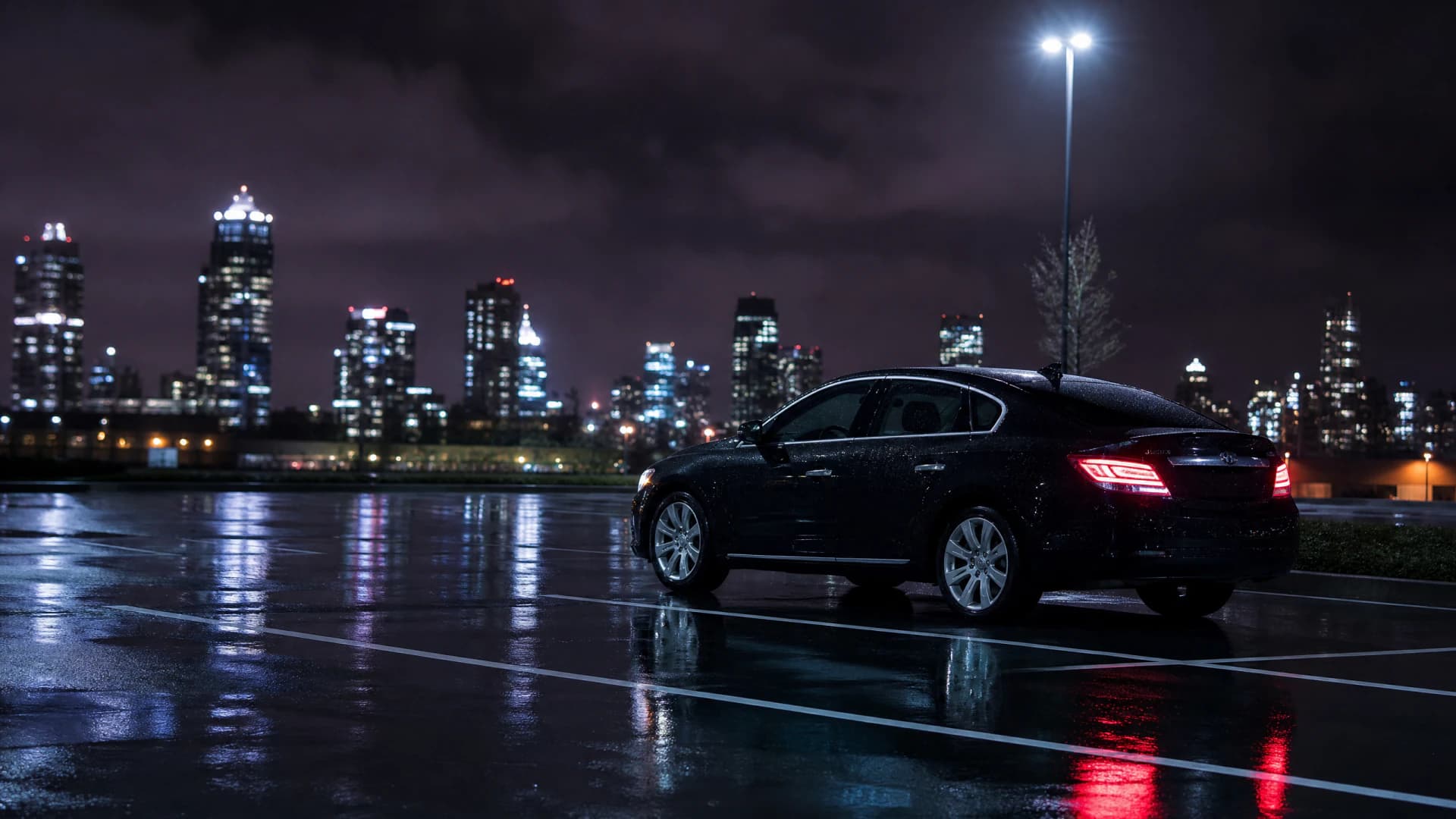
Dropping collision or comprehensive on a financed car violates your loan contract and triggers forced-place insurance, repossession, or loan acceleration — even though Louisiana law does not require those coverages.




How to Structure Coverage Across Multiple Financed Vehicles
If you finance more than one vehicle in your household, each financed car must carry collision and comprehensive on the same policy or on separate policies, depending on how your household's vehicles are titled and garaged. Most carriers offer a multi-car discount when you insure two or more vehicles on the same policy, and that discount typically applies to the liability portion of the premium, not the collision and comprehensive portions, though some carriers extend it across all coverages.
Adding a second financed vehicle to an existing policy re-rates the entire policy. The premium does not simply add a flat amount for the new car — the carrier recalculates the base rate, applies the multi-car discount, and adjusts for the new vehicle's year, make, model, and garaging location. A newer or higher-value vehicle increases the collision and comprehensive premiums more than an older or lower-value car, because the coverage pays up to the actual cash value of the vehicle at the time of loss.
If one vehicle is paid off and the other is financed, you can drop collision and comprehensive on the paid-off car and keep full coverage on the financed one. The multi-car discount still applies as long as both vehicles remain on the same policy, even if their coverage levels differ. Carriers writing multi-car policies in Louisiana include State Farm, Geico, Progressive, Allstate, Farmers, and USAA. Compare quotes with identical coverage limits and deductibles across carriers to find the lowest combined premium for your household's vehicles.
19 carriers
Louisiana Multi-Car Carriers
At least 19 carriers write multi-vehicle policies in Louisiana, including State Farm, Geico, Progressive, Allstate, Farmers, USAA, Travelers, Liberty Mutual, Nationwide, and regional carriers. Compare quotes with identical coverage to find the lowest combined premium.
When You Can Drop Full Coverage Without Violating the Loan
You can drop collision and comprehensive only after you pay off the loan in full and the lender releases the lien. The lender sends a lien release document to the Louisiana Office of Motor Vehicles, and the OMV issues a clear title in your name with no lienholder listed. Until that release is recorded, the lender retains a security interest in the vehicle and the loan contract's insurance requirements remain in effect.
Some borrowers believe they can drop full coverage once the loan balance falls below the vehicle's value, reasoning that the lender's risk is covered. The loan contract does not work that way. The insurance requirement lasts until the final payment is made and the lien is released, regardless of the loan-to-value ratio. Dropping coverage early violates the contract and triggers the forced-place or repossession process described above.
Compare Carriers and Lock the Lowest Rate for Your Household
Collision and comprehensive premiums vary widely by carrier, even for identical coverage on the same vehicle. A household insuring two financed cars in Louisiana should compare quotes from at least three carriers, using the same liability limits, the same deductibles, and the same coverage options on every quote. The multi-car discount applies differently across carriers — some apply it to the entire premium, others apply it only to liability, and the size of the discount varies from 10 percent to 25 percent depending on the carrier and the number of vehicles.
Use Louisiana Car Insurance Requirements' comparison tool to request quotes from carriers writing multi-vehicle policies in your parish. Enter each vehicle's year, make, model, and garaging address, and specify the deductibles your lender requires. The tool returns quotes you can compare side by side, so you can see which carrier delivers the lowest combined premium for your household's financed vehicles without violating your loan agreements.
What Happens If You Drop Full Coverage Mid-Loan
When the lender detects that collision or comprehensive coverage has been removed, they send a notice demanding proof of coverage within a short window — typically 10 to 30 days depending on the contract. If you do not restore the coverage, the lender purchases forced-place insurance, also called collateral protection insurance, and adds the premium to your loan balance. Forced-place policies are expensive, often two to four times the cost of a standard policy, and they cover only the lender's interest in the vehicle, not your liability or your own injuries. You pay for a policy that protects the lender, not you.
If you do not pay the forced-place premium or if the lender decides the loan is too risky, they can declare the loan in default and accelerate the entire balance, making the full amount due immediately. If you cannot pay, the lender repossesses the vehicle. Louisiana is a self-help repossession state, meaning the lender can take the car without a court order as long as the repossession does not breach the peace. After repossession, the lender sells the car at auction, applies the proceeds to the loan balance, and bills you for any deficiency — the difference between what you owed and what the car sold for, plus repossession and auction fees.
Get Your Free Quote
Get My Louisiana Car Insurance QuoteFrequently Asked Questions
Does Louisiana require full coverage on a financed car?
Louisiana requires only $15,000/$30,000/$25,000 liability coverage to register and drive legally. Your lender requires collision and comprehensive through the loan contract, not state law. If you drop full coverage, you violate the loan agreement and the lender can repossess the car or force-place expensive insurance on your loan balance.
What happens if I drop collision coverage on a financed car in Louisiana?
The lender detects the coverage lapse within days through electronic monitoring and sends a notice demanding proof of coverage. If you do not restore collision and comprehensive within 10 to 30 days, the lender purchases forced-place insurance at two to four times your normal premium and adds the cost to your loan, or they declare the loan in default and repossess the vehicle.
Can I drop full coverage if my loan balance is lower than my car's value?
No. The loan contract requires collision and comprehensive until you pay off the loan in full and the lender releases the lien, regardless of the loan-to-value ratio. Dropping coverage before the lien is released violates the contract and triggers forced-place insurance or repossession.
Do I need full coverage on every car if I finance two vehicles in Louisiana?
Yes. Each financed vehicle must carry collision and comprehensive coverage as long as a lien is recorded on the title. You can insure both cars on the same policy to qualify for a multi-car discount, but each financed car must carry the full coverage your lender requires.
When can I legally drop collision and comprehensive in Louisiana?
You can drop collision and comprehensive after you pay off the loan in full, the lender releases the lien, and the Louisiana Office of Motor Vehicles issues a clear title in your name with no lienholder listed. Until the lien is released, the loan contract's insurance requirements remain in effect.
Does the multi-car discount apply to collision and comprehensive coverage?
It depends on the carrier. Most carriers apply the multi-car discount primarily to liability premiums, but some extend it across all coverages including collision and comprehensive. Compare quotes from multiple carriers writing multi-vehicle policies in Louisiana to find the lowest combined premium for your household's financed cars.