
Auto Insurance Coverages Louisiana Drivers Should Understand
Free to compare
Coverage Confusion When You Add a Second or Third Car
You just added a second vehicle to your Louisiana auto policy, and you're staring at a coverage summary that lists liability limits once but collision and comprehensive separately for each car. You assumed all coverages worked the same way across every vehicle on the policy, but now you're not sure which protections apply to both cars automatically and which you need to select again for the new one.
Louisiana law structures auto insurance around per-policy liability requirements and per-vehicle physical damage elections. Liability coverage extends to every vehicle listed on the policy at the same limits, but collision and comprehensive are vehicle-specific: adding a car does not automatically extend those coverages unless you elect them for the new vehicle. This structural split creates the most common coverage gap for multi-car households.
“Collision and comprehensive do not automatically extend to a newly added vehicle; you must elect physical damage coverage for each car separately.”

Get More Than the Louisiana Minimum for Less
Get My Louisiana Car Insurance Quote$15,000/$30,000/$25,000
Louisiana Minimum Liability
Every vehicle on your policy must carry at least $15,000 bodily injury per person, $30,000 per accident, and $25,000 property damage. These limits apply per policy, not per car, so all listed vehicles share the same liability protection.
Louisiana Office of Motor Vehicles
Which Coverages Apply to Every Car on the Policy
Liability coverage in Louisiana is a per-policy election. When you set your bodily injury and property damage limits, those limits extend to every vehicle listed on the policy. You do not re-select liability for each vehicle.
Uninsured and underinsured motorist coverage works the same way. Louisiana does not mandate UM/UIM, but when you elect it, the coverage applies across all listed vehicles at the same limits you chose. Adding a car mid-term does not require a separate UM/UIM election for that vehicle.
Medical payments coverage, when present, also extends per policy. The structure mirrors liability: one election, all cars covered.
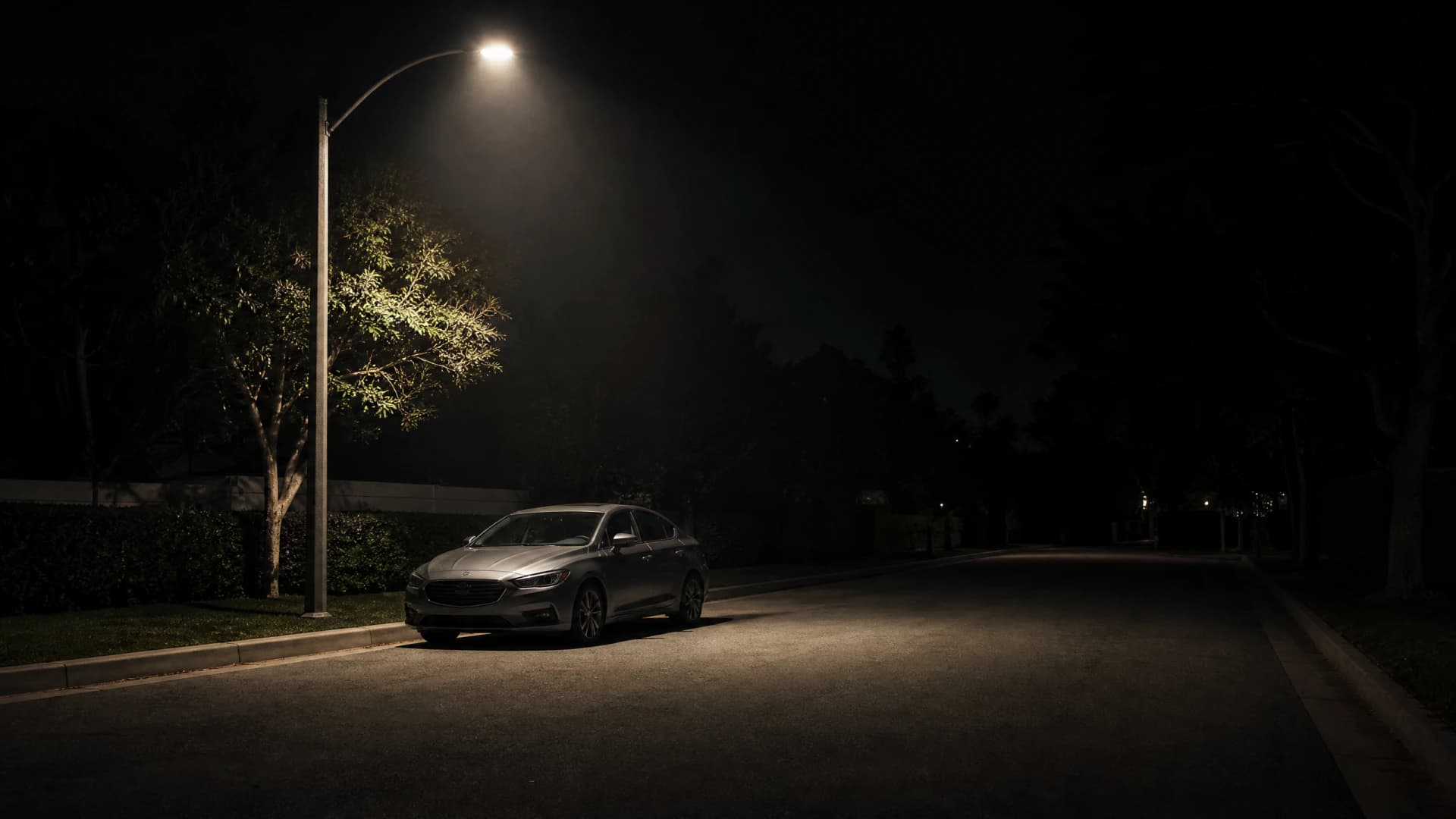
Collision and comprehensive are vehicle-specific elections. Adding a car to your policy does not automatically extend physical damage coverage to that vehicle.
Related Articles




State-Specific Quirks That Affect Multi-Car Policies
Louisiana does not require uninsured motorist coverage, but 11.7% of Louisiana drivers are uninsured. That rate is higher than the national average, and it means one in nine drivers you encounter on the road carries no liability insurance. When you insure multiple vehicles, UM/UIM becomes more valuable because the exposure multiplies: more cars, more trips, more opportunities for an uninsured driver to hit one of your household's vehicles.
Louisiana is an at-fault state, so the driver who causes the accident pays for the damage through their liability coverage. When you carry multiple vehicles, your property damage liability limit is shared across all listed cars. If two of your household's cars are involved in separate at-fault accidents on the same day, both claims draw from the same per-accident property damage limit.
Louisiana law requires proof of insurance at registration and during traffic stops. When you add a vehicle, the carrier must file updated proof with the Office of Motor Vehicles. If you add a car but the OMV record does not reflect the new vehicle within the required window, the registration can be flagged as non-compliant even though you believe the car is insured. Confirm the carrier has updated the OMV record after adding any vehicle to a multi-car policy.
19 carriers
Louisiana Multi-Car Carrier Options
Nineteen carriers write multi-vehicle policies in Louisiana, including Allstate, Geico, Progressive, State Farm, and USAA. Comparing carriers matters because base rates and multi-car discount structures vary widely, and a smaller discount on a lower base rate can produce a better total premium than a larger discount on a higher one.
Louisiana carrier roster
Structuring Coverage When Household Members Drive Different Cars
Louisiana carriers rate multi-car policies by assigning each listed driver to a primary vehicle. When you add a third car, the carrier asks which driver will use it most often, and that assignment affects the premium for that specific vehicle. A teen driver assigned to a newer car produces a higher collision premium than the same teen assigned to an older car with a higher deductible or no physical damage coverage at all.
If household members share vehicles interchangeably, the carrier typically assigns the highest-risk driver to the highest-value car for rating purposes. You can request a different assignment, but the carrier's underwriting rules control whether they accept it. Some carriers allow you to assign drivers to vehicles in a way that reflects actual use; others default to worst-case assignments and do not adjust. Ask before you add the third vehicle, because the assignment locks in at the time you add the car, and changing it later often requires re-rating the entire policy.
Compare Carriers That Write Your Household's Vehicle Count
Not every Louisiana carrier writes policies for households with three or more vehicles, and those that do often cap the count at four or five cars per policy. When you reach that threshold, the carrier may require you to split the household into two separate policies, which eliminates the multi-car discount on the second policy. Confirm the carrier's vehicle limit before you add another car, especially if you are approaching the cap.
Carriers that specialize in multi-vehicle households often produce better total premiums than carriers that treat a four-car policy as an edge case. Compare at least three carriers that explicitly write policies for your vehicle count, and ask each one how they structure the multi-car discount: some apply it per vehicle after the first, others apply a flat percentage to the total premium, and the math produces different outcomes depending on your household's mix of vehicles and drivers. The comparison step is where you recover the premium increase from adding another car.
How Physical Damage Coverage Works Across Multiple Vehicles
When you add a second or third car, you choose collision and comprehensive separately for that vehicle. You can carry full coverage on one car and liability-only on another. You can set a $500 deductible on your daily driver and a $1,000 deductible on a second car you drive less often. The carrier treats each vehicle as an independent physical damage risk, and you control the coverage and deductible per car.
This structure matters most when you add a vehicle mid-term. Many Louisiana drivers assume their existing collision and comprehensive automatically extend to the new car during the carrier's grace period, but grace periods cover only liability. If you total the new car before you formally add collision coverage, the claim is denied. The gap closes only when you affirmatively elect physical damage coverage for that specific vehicle and the carrier confirms it on the policy.
Get Your Free Quote
Get My Louisiana Car Insurance QuoteFrequently Asked Questions
Does liability coverage in Louisiana apply to all cars on my policy?
Yes. Liability coverage is a per-policy election in Louisiana, so the bodily injury and property damage limits you choose extend to every vehicle listed on the policy. Adding a car does not require you to re-select liability; the new vehicle is covered at your existing limits the moment it appears on the declarations page.
Do I need to add collision coverage separately for each vehicle?
Yes. Collision and comprehensive are vehicle-specific elections. When you add a second or third car to your Louisiana policy, you choose collision and comprehensive separately for that vehicle, and you can set different deductibles for each car. Existing physical damage coverage does not automatically extend to the new vehicle.
What happens if I total a newly added car before I formally elect collision coverage?
The claim is denied. Grace periods in Louisiana cover only liability, not physical damage. If you add a car to your policy but do not affirmatively elect collision coverage for that specific vehicle, and you total it before the coverage is confirmed, the carrier will not pay the claim.
How does Louisiana's high uninsured motorist rate affect multi-car policies?
Louisiana's uninsured motorist rate is 11.7%, meaning one in nine drivers carries no liability insurance. When you insure multiple vehicles, your exposure to uninsured drivers increases because more cars mean more trips and more opportunities for an uninsured driver to hit one of your household's vehicles. Uninsured motorist coverage is optional in Louisiana but becomes more valuable for multi-car households.
Can I assign different drivers to different vehicles on a multi-car policy?
Yes, but the carrier controls the assignment rules. Louisiana carriers rate multi-car policies by assigning each listed driver to a primary vehicle, and that assignment affects the premium for that specific car. Some carriers allow you to assign drivers to vehicles in a way that reflects actual use; others default to worst-case assignments and do not adjust.
Is there a limit to how many vehicles I can insure on one Louisiana policy?
Most Louisiana carriers cap multi-car policies at four or five vehicles. When you reach that threshold, the carrier may require you to split the household into two separate policies, which eliminates the multi-car discount on the second policy. Confirm the carrier's vehicle limit before you add another car.