
SR-22 Insurance — Louisiana
Free to compare
Louisiana Uses SR-22 Filing Under a Different Name
You received notice from the Louisiana Office of Motor Vehicles that you need proof of future financial responsibility. You searched for SR-22 and found conflicting answers: some sources say Louisiana requires it, others say the state doesn't use SR-22 at all. Both are partially correct. Louisiana statute references SR-22, but the actual form your carrier files is titled Certificate of Insurance. The filing requirement is real; the name creates the confusion.
The Certificate of Insurance serves the same function as an SR-22 in other states: it proves to the OMV that you carry at least Louisiana's minimum liability limits and that your carrier will notify the state if your policy lapses. The filing is electronic, continuous for the required period, and mandatory after specific triggers. Understanding what Louisiana actually calls the form and when it applies prevents delays in license reinstatement.
“Louisiana statute calls it SR-22, but the form your carrier files is titled Certificate of Insurance—both names reference the same filing.”

Get More Than the Louisiana Minimum for Less
Get My Louisiana Car Insurance Quote3 years
Louisiana SR-22 Filing Period
Louisiana requires the Certificate of Insurance filing for 3 years after conviction of DWI (excluding Article 894 convictions), affidavit of arrest for implied-consent test refusal, or entry into an installment agreement or full release following an accident judgment. The 3-year period begins on the conviction or agreement date, not the filing date.
Louisiana Revised Statutes 32:415.1
When Louisiana Requires the Certificate of Insurance
Louisiana mandates the Certificate of Insurance filing in three situations: conviction of driving while intoxicated (DWI), affidavit of arrest for refusal to submit to a chemical test under the state's implied-consent law, and entry into an installment agreement or receipt of a full release following an accident judgment. Article 894 DWI convictions—first-offense dispositions that defer sentencing and allow expungement after completion of probation—do not trigger the filing requirement.
The filing period is 3 years from the date of conviction, affidavit, or judgment agreement. If your license is suspended for DWI and you apply for a restricted license during the suspension, you must install an ignition interlock device and maintain the Certificate of Insurance filing for the full 3-year period. The OMV tracks the filing electronically; your carrier notifies the state if your policy cancels or lapses, which extends your suspension until you file again.
If you move to Louisiana from another state with an active SR-22 or FR-44 requirement, Louisiana does not automatically adopt that requirement. You must verify with the OMV whether your prior state's filing obligation transfers or whether Louisiana imposes its own requirement based on your driving record.
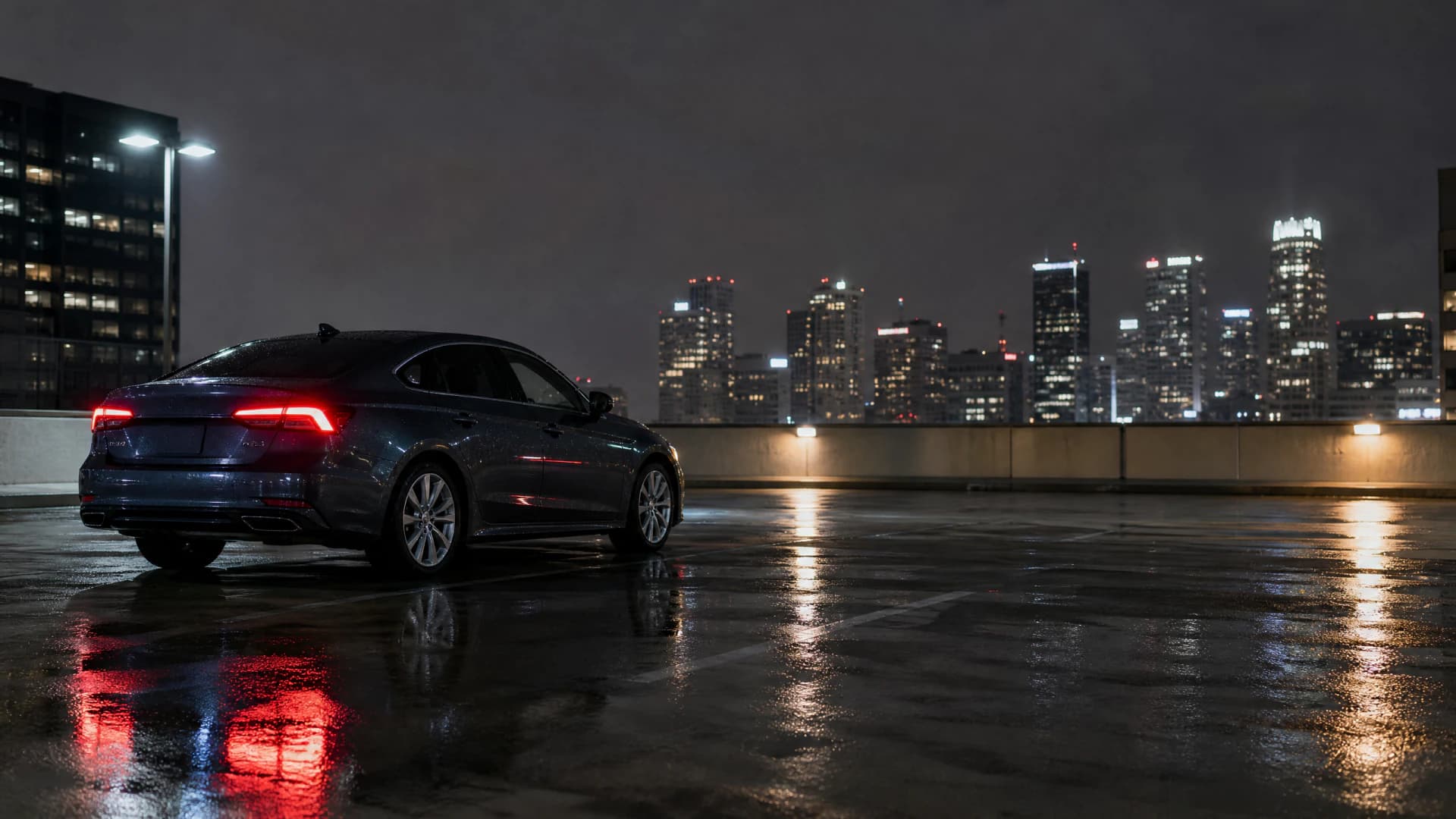
Louisiana statute calls it SR-22, but the form your carrier files is titled Certificate of Insurance. Both names reference the same filing; carriers recognize both terms.
Related Articles




Owner Versus Non-Owner Certificate of Insurance
Louisiana recognizes two forms of the Certificate of Insurance: owner and non-owner (operator). The owner form applies when you own a vehicle and insure it under your name. The non-owner form applies when you do not own a vehicle but need to prove financial responsibility to reinstate your license. Both forms satisfy the OMV's filing requirement; the form you need depends on whether you own and insure a car.
A non-owner SR-22 policy provides liability coverage when you drive a vehicle you do not own. It does not cover a specific vehicle; it follows you as the driver. If you later purchase a vehicle, you must convert to an owner SR-22 policy and notify the OMV of the change. Carriers that write non-owner SR-22 policies in Louisiana include Progressive, Geico, National General, The General, Direct Auto, Bristol West, and USAA.
If you own multiple vehicles and insure them on one policy, the Certificate of Insurance filing covers all vehicles on that policy. You do not file separately for each car. If you add or remove a vehicle during the 3-year filing period, notify your carrier; the carrier updates the filing with the OMV automatically.
19 carriers
Louisiana SR-22 Carriers
Nineteen carriers write SR-22 policies in Louisiana, including Geico, Progressive, State Farm, Farmers, National General, The General, Direct Auto, Bristol West, and USAA. Not every carrier offers SR-22 filing; if your current carrier does not, compare quotes from carriers that do before switching.
Louisiana carrier roster, 2025

Certificate of Insurance and Restricted License Eligibility
If your license is suspended for DWI, you may apply to the OMV for a restricted license that allows driving to work, medical appointments, or other essential destinations. Louisiana calls this a restricted license for economic or medical hardship under Revised Statutes 32:415.1. Eligibility requires proof that loss of driving privileges deprives you of necessities of life, prevents you from earning a livelihood, or prevents you from obtaining medical treatment.
To obtain a restricted license after a DWI suspension, you must install an ignition interlock device in every vehicle you operate and maintain a Certificate of Insurance filing for the full 3-year period. The OMV grants the restricted license after you submit an application alleging hardship, proof of ignition interlock installation, and confirmation that your carrier filed the Certificate of Insurance. If the OMV denies your application, you may file a petition for a restricted license in the district court of your parish of residence.
The restricted license limits you to streets and waterways needed to earn a livelihood or obtain medical treatment, and restricts driving to the times during which you are earning a livelihood or obtaining treatment. Violating the restrictions or allowing your Certificate of Insurance to lapse cancels the restricted license and extends your suspension.
What Happens If Your Certificate of Insurance Lapses
Louisiana requires continuous Certificate of Insurance filing for the full 3-year period. If your policy cancels or lapses for any reason—nonpayment, carrier cancellation, or voluntary termination—your carrier notifies the OMV electronically within 10 days. The OMV suspends your license immediately upon receiving the lapse notice.
A lapse does not reset the 3-year clock; it pauses it. If you maintain the filing for 18 months, allow it to lapse, and then refile 6 months later, you still owe the remaining 18 months of the original 3-year period. The only way to satisfy the requirement is to maintain continuous coverage without interruption for the full 3 years from the conviction or judgment date. Set up automatic payment with your carrier to prevent accidental lapses; a single missed payment can suspend your license and cost you weeks of reinstatement processing time.

Compare Carriers That File the Certificate of Insurance
Not every carrier writes SR-22 policies, and rates vary widely among those that do. Geico, Progressive, State Farm, Farmers, National General, The General, Direct Auto, Bristol West, and USAA all file the Certificate of Insurance in Louisiana. Request quotes from at least three carriers before purchasing a policy; the carrier with the lowest rate for standard drivers may not offer the lowest rate for SR-22 filers. Compare the total premium, not just the filing fee, to find the lowest cost for the full 3-year period.
How to File the Certificate of Insurance in Louisiana
Contact a carrier that writes SR-22 policies in Louisiana and request a Certificate of Insurance filing. Not every carrier offers SR-22 filing; if your current carrier does not, you must switch to one that does. Carriers that write SR-22 in Louisiana include Geico, Progressive, State Farm, Farmers, National General, The General, Direct Auto, Bristol West, and USAA. Purchase a policy that meets Louisiana's minimum liability limits: $15,000 bodily injury per person, $30,000 bodily injury per accident, and $25,000 property damage. The carrier files the Certificate of Insurance electronically with the OMV within 1 to 3 business days of policy purchase.
Verify with the OMV that the filing was received before you attempt to reinstate your license or apply for a restricted license. The OMV's online driver record portal shows whether an active Certificate of Insurance is on file. If the filing does not appear within 5 business days, contact your carrier to confirm submission. A missing or delayed filing blocks reinstatement and extends your suspension period. Once the filing is active, maintain continuous coverage for the full 3-year period; any lapse triggers immediate suspension and requires a new filing to reinstate.
Get Your Free Quote
Get My Louisiana Car Insurance QuoteFrequently Asked Questions
Does Louisiana require SR-22 insurance?
Louisiana requires a Certificate of Insurance filing (referenced as SR-22 in statute) for 3 years after DWI conviction, implied-consent test refusal, or accident judgment. The form is filed electronically by your carrier and proves you carry at least the state's minimum liability limits.
How long do you need SR-22 in Louisiana?
Louisiana requires the Certificate of Insurance filing for 3 years from the date of conviction, affidavit of arrest for test refusal, or entry into a judgment installment agreement. The period does not reset if you lapse and refile; it pauses until you restore continuous coverage.
What is the difference between owner and non-owner SR-22 in Louisiana?
An owner SR-22 applies when you own and insure a vehicle under your name. A non-owner SR-22 applies when you do not own a vehicle but need to prove financial responsibility to reinstate your license. Both satisfy Louisiana's filing requirement.
Can I get a restricted license in Louisiana with an SR-22?
Louisiana allows restricted licenses for economic or medical hardship after DWI suspension. You must install an ignition interlock device, maintain a Certificate of Insurance filing for 3 years, and prove that loss of driving privileges deprives you of necessities or prevents earning a livelihood.
What happens if my SR-22 lapses in Louisiana?
If your Certificate of Insurance lapses, your carrier notifies the OMV within 10 days and the state suspends your license immediately.
How much does SR-22 insurance cost in Louisiana?
The total premium depends on your driving record, vehicle, coverage selections, and location. Compare quotes from multiple carriers that write SR-22 policies in Louisiana to find the lowest rate.