
What Affects Car Insurance Rates — Louisiana
Free to compare
Why Quotes Vary So Much Across Carriers
The vehicles, drivers, and garaging address are the same across every form, so the spread feels arbitrary.
It's not arbitrary. Louisiana's fault system, its 11.7% uninsured-motorist rate, and each carrier's multi-vehicle discount structure interact to produce wide premium variation even when coverage limits match. The carrier that prices one vehicle lowest does not always price two vehicles lowest, because the multi-car discount applies differently across underwriting tiers. Understanding what drives Louisiana rates helps you structure your household's policy to control cost without losing protection.
“A smaller discount on a lower base rate can beat a larger discount on a higher one when you compare final premiums across Louisiana carriers.”

Get More Than the Louisiana Minimum for Less
Get My Louisiana Car Insurance Quote11.7%
Louisiana Uninsured Motorists
More than one in nine Louisiana drivers carries no insurance. That risk drives carriers to price uninsured-motorist coverage higher in Louisiana than in states with lower uninsured rates, and it affects how carriers tier multi-vehicle policies.
Insurance Information Institute, 2023
Louisiana's Fault System and Liability Pricing
Louisiana operates under a fault-based system. The at-fault driver's liability insurance pays for the other party's injuries and property damage. That structure makes liability limits the foundation of every Louisiana policy, and carriers price those limits based on claims history in your parish and across the state.
Louisiana's minimum liability limits are $15,000 per person for bodily injury, $30,000 per accident, and $25,000 for property damage. Those minimums are low compared to the cost of a serious collision. A two-vehicle accident with injuries can exceed $30,000 in medical bills alone, leaving the at-fault driver personally liable for the difference if their policy carries only the state minimum.
When you insure two or more vehicles on one policy, each vehicle carries the same liability limits. A household with three cars on a single policy does not triple its liability exposure in the carrier's underwriting model, because only one vehicle can cause an accident at a time. But carriers still tier multi-vehicle policies differently based on the combined risk profile of every driver and vehicle on the policy. A household with one young driver and two experienced drivers will see different multi-car pricing than a household with three experienced drivers, even if the vehicles are identical.
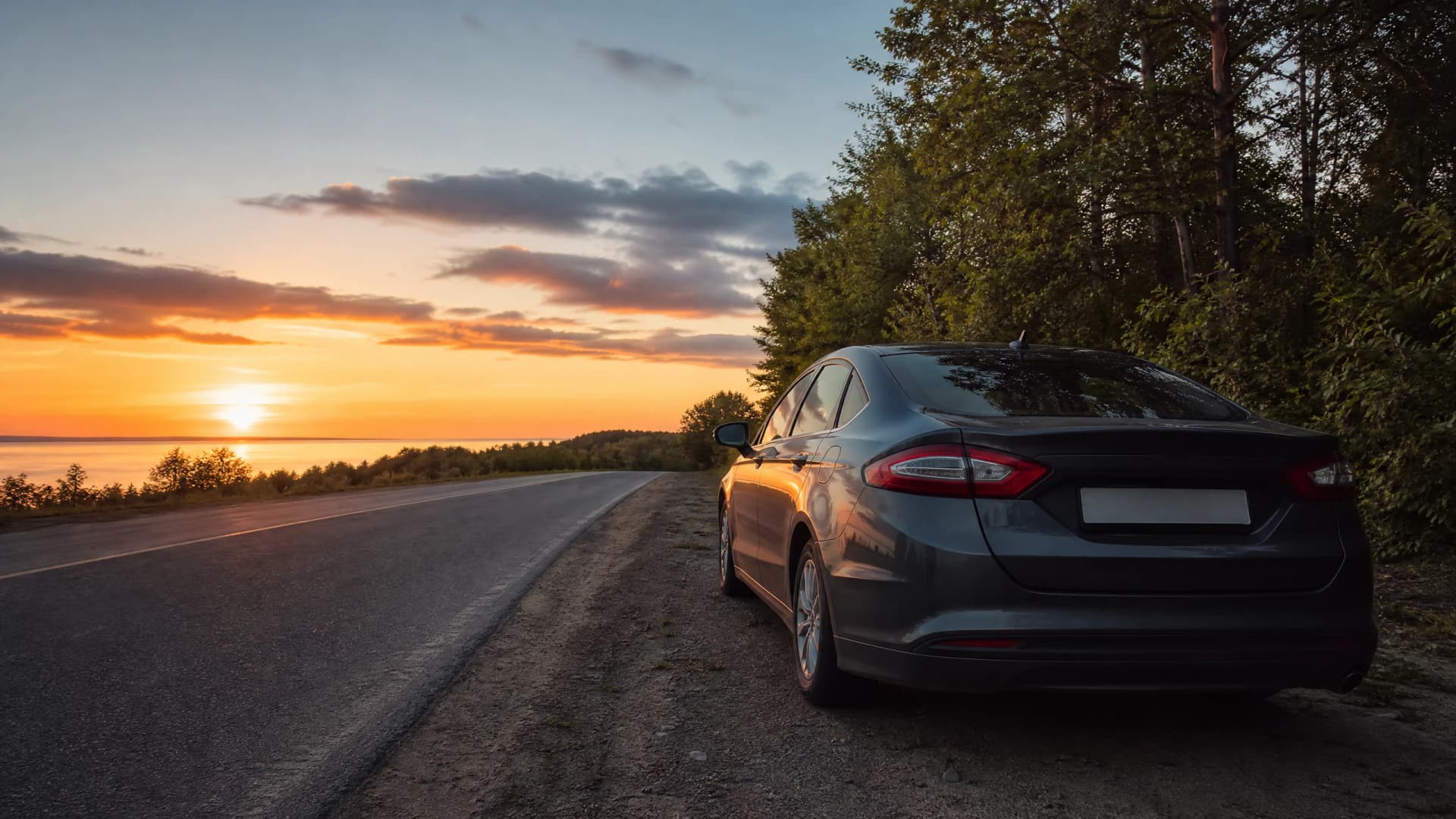
The carrier that quotes your first vehicle lowest does not always quote your second vehicle lowest, because the multi-car discount applies to different base rates across underwriting tiers.



Driving Record and Household Risk Profile
Every driver listed on your Louisiana multi-vehicle policy affects the premium for every vehicle. A household with one driver who has a recent at-fault accident or a moving violation will see higher rates across all vehicles than a household with clean records, because the carrier prices the combined risk of every driver who has access to any vehicle on the policy.
Louisiana tracks violations and at-fault accidents through the Office of Motor Vehicles. Carriers pull your driving record when you apply for coverage and again at renewal. A single speeding ticket can raise your premium by a measurable amount, and the increase applies to the entire policy. If your household insures three vehicles and one driver receives a ticket, all three vehicles see the rate increase at the next renewal.
Some carriers tier households with violations into non-standard underwriting, where base rates are higher and the multi-car discount may be smaller or structured differently. Other carriers keep households with minor violations in standard tiers but apply a surcharge. The result is that a household with one violation can see premium spreads of $1,000 or more across carriers, even when coverage limits and vehicles are identical. Comparing quotes after a violation is critical, because the carrier that priced your household competitively before the violation may no longer be the lowest option afterward.
$15,000 / $30,000 / $25,000
Louisiana Minimum Liability Limits
Louisiana requires $15,000 per person for bodily injury, $30,000 per accident, and $25,000 for property damage. Many households insuring multiple vehicles choose higher limits to protect household assets in the event of a serious at-fault collision.
Louisiana Office of Motor Vehicles
Vehicle Age, Value, and Coverage Choices
The age and value of each vehicle on your policy affects whether you carry collision and comprehensive coverage, and those choices change your premium. A household insuring a new vehicle and an older vehicle on the same policy can structure coverage differently for each car. The new vehicle typically carries full coverage with collision and comprehensive; the older vehicle may carry liability only if its value is low enough that collision and comprehensive premiums exceed the potential claim payout.
Collision coverage pays to repair or replace your vehicle after an at-fault accident, minus your deductible. Comprehensive coverage pays for damage from theft, weather, vandalism, or animal strikes. Both coverages are optional in Louisiana, but lenders require them if you finance or lease a vehicle. When you own a vehicle outright and its value has depreciated below a threshold where the annual cost of collision and comprehensive exceeds the vehicle's book value, dropping those coverages lowers your premium without leaving you underinsured for liability.
Compare Carriers That Write Multi-Vehicle Policies in Louisiana
Louisiana has 19 carriers writing multi-vehicle policies across standard, preferred, and non-standard tiers. Allstate, Geico, Progressive, State Farm, and USAA write in Louisiana and offer multi-car discounts, but each prices households differently based on underwriting tier, parish, and combined driver risk. Farmers, National General, and Travelers also write multi-vehicle policies in Louisiana, and their pricing models vary enough that a household placed in a higher tier with one carrier may find a lower rate with another.
Request quotes from at least three carriers that write your household's vehicle count and driver profile. Enter identical coverage limits across every quote form so you can compare final premiums directly. The carrier that quoted your household competitively two years ago may no longer be the lowest option today, because rate filings, claims experience, and underwriting tier assignments shift over time. Compare carriers at every renewal to confirm you're still in the most competitive tier for your household's current profile.
How the Multi-Car Discount Works in Louisiana
Most Louisiana carriers require every vehicle to sit on the same policy and share a garaging address to qualify for the multi-car discount. A vehicle titled to a household member on a separate policy does not count toward the discount, even if both policies are with the same carrier. When you combine two single-vehicle policies into one multi-vehicle policy, the discount applies to the combined premium, but the base rate may shift because the carrier re-rates the entire household at the time of the policy change.
A smaller discount on a lower base rate can produce a lower final premium than a larger discount on a higher base rate. Carrier A might offer a modest multi-car discount but price your household's risk profile in a lower tier. Carrier B might advertise a larger discount but place your household in a higher underwriting tier, so the final premium ends up higher even after the discount. That's why comparing the final quoted premium across multiple carriers matters more than comparing discount percentages in isolation.
Get Your Free Quote
Get My Louisiana Car Insurance QuoteFrequently Asked Questions
Does Louisiana require uninsured motorist coverage?
No. Louisiana does not mandate uninsured-motorist coverage, but 11.7% of Louisiana drivers carry no insurance. Many households insuring multiple vehicles add uninsured-motorist coverage to protect against at-fault drivers who cannot pay for damage they cause.
How does a ticket affect my multi-car insurance rate in Louisiana?
A moving violation on one driver's record raises the premium for every vehicle on your Louisiana policy. Carriers re-rate the entire household at renewal, and the surcharge applies to the combined premium. The increase varies by carrier and violation type.
Can I insure two cars on separate policies in Louisiana?
Yes, but you lose the multi-car discount. Most Louisiana carriers require every vehicle to sit on the same policy to qualify for the discount. Combining two single-vehicle policies into one multi-vehicle policy typically lowers your total premium.
Do I need full coverage on both cars if I own them outright?
No. Collision and comprehensive are optional in Louisiana when you own a vehicle outright. Many households carry full coverage on a newer vehicle and liability-only on an older vehicle to control premium cost without underinsuring for liability.
How often should I compare Louisiana car insurance quotes?
Compare quotes at every renewal. Carrier rate filings and underwriting tier assignments change over time, and the carrier that priced your household competitively last year may no longer be the lowest option today.
Does my credit score affect my Louisiana car insurance rate?
Yes. Louisiana allows carriers to use credit-based insurance scores in underwriting. A household with strong credit typically receives lower rates than a household with poor credit, even when driving records and vehicles are identical.
What happens if I add a third vehicle to my Louisiana policy mid-term?
The carrier re-rates your entire policy when you add a vehicle. Your premium increases to reflect the added vehicle, and the multi-car discount adjusts to account for three vehicles instead of two. The change takes effect immediately, and you pay the prorated difference for the remainder of the term.