
Cheaper Auto Insurance — Louisiana
Free to compare
Why Your Louisiana Premium Is Higher Than It Should Be
You insure two or three cars in Louisiana, you're paying separate premiums for each, and you assumed that was the only way to structure it. The reality: most carriers offer a multi-car discount when every vehicle sits on one policy, but that discount disappears the moment one car splits off onto a separate policy—even if both policies are with the same carrier and cover the same household address.
Louisiana's mandatory minimums are $15,000 per person for bodily injury, $30,000 per accident, and $25,000 for property damage. Those limits apply to every vehicle you own, but how you bundle those vehicles determines whether you're paying the combined-policy rate or paying each car's premium in full. The difference isn't small, and it's not automatic.
“The multi-car discount vanishes when vehicles split across policies, even within the same household and carrier.”

Get More Than the Louisiana Minimum for Less
Get My Louisiana Car Insurance Quote$15,000/$30,000/$25,000
Louisiana Liability Minimums
Every registered vehicle in Louisiana must carry at least $15,000 bodily injury per person, $30,000 per accident, and $25,000 property damage. These are the floor, not a recommendation—most households with multiple vehicles carry higher limits to protect assets across the policy.
Louisiana Office of Motor Vehicles
What the Multi-Car Discount Actually Requires
The multi-car discount is not a household discount. It's a same-policy discount. If you own three cars and two sit on Policy A while the third sits on Policy B, the discount applies only to the two vehicles sharing Policy A. The third car pays full freight, even if Policy B is with the same carrier, covers the same address, and insures the same household members.
Carriers calculate the discount by reducing the per-vehicle base rate when multiple vehicles appear on one policy declaration page. The reduction compounds: the second car typically costs less than the first, and the third less than the second. But that compounding stops the moment a vehicle moves to a separate policy. You lose the discount on the split-off car, and depending on the carrier, you may lose part of the discount on the remaining vehicles because the policy now insures fewer cars.
Most Louisiana households discover this the hard way: they add a teenager's car to a separate policy to isolate the higher premium, or they keep a work vehicle on a commercial policy while the family cars sit on a personal policy. Both moves erase the multi-car discount. The teenager's car pays full rate, and the family policy recalculates at a two-car discount instead of three.
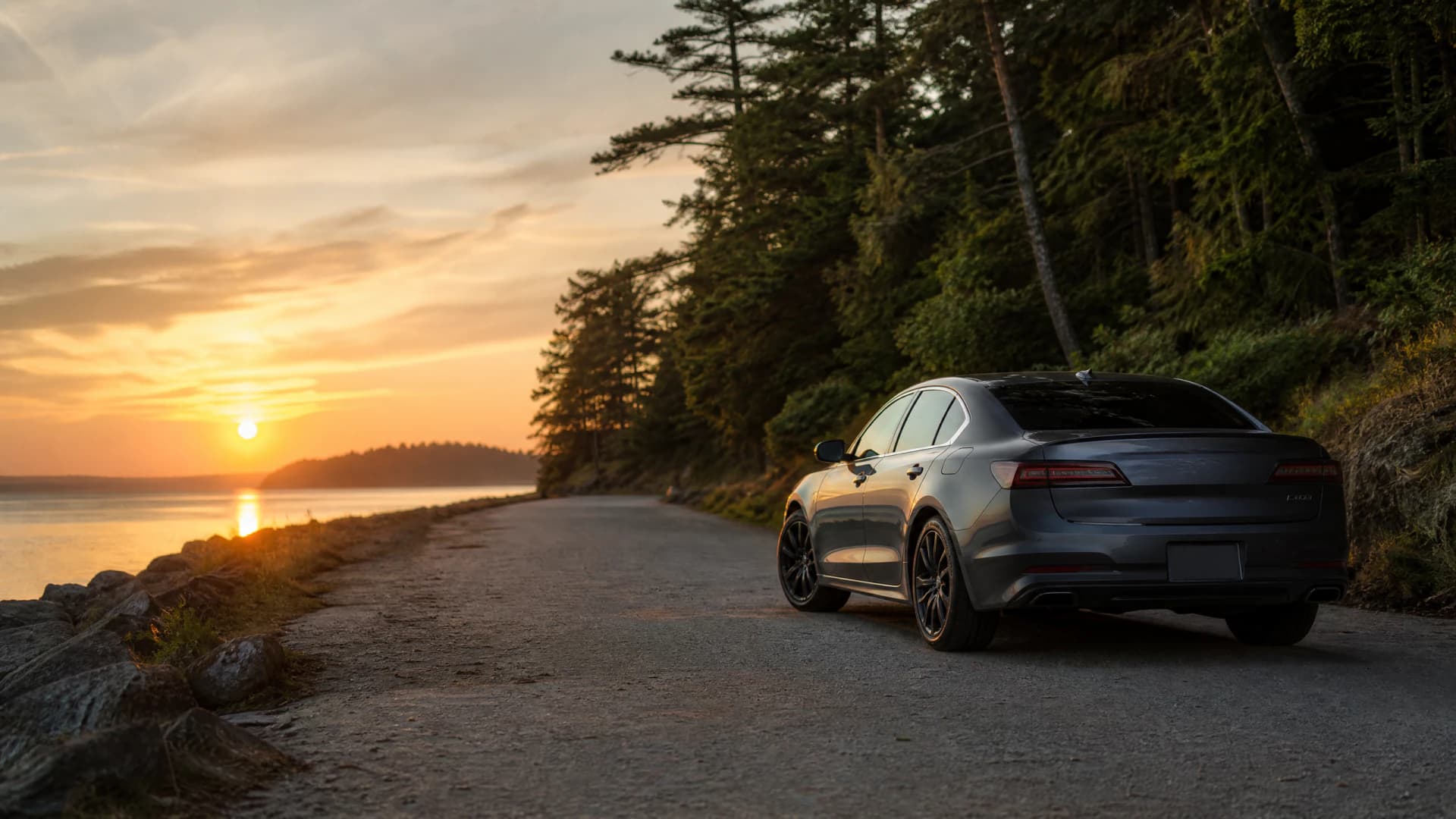
The multi-car discount vanishes when vehicles split across policies, even within the same household and the same carrier.





When Splitting Policies Actually Saves Money
Consolidating policies doesn't always produce the lowest total premium. If one vehicle carries a high-risk driver—someone with a recent DUI, a suspended license, or multiple at-fault accidents—that driver's surcharge can inflate the entire policy's base rate. In that case, moving the high-risk driver and their vehicle to a non-standard carrier like Bristol West, The General, or Direct Auto may lower the household's combined premium, even after losing the multi-car discount on the remaining vehicles.
The math works like this: a standard carrier applies the high-risk surcharge to the entire policy, raising the premium on every vehicle. A non-standard carrier writes only the high-risk vehicle at a higher per-car rate but doesn't touch the other vehicles. If the non-standard premium for one car is lower than the surcharge applied across three cars on a standard policy, splitting saves money. You lose the multi-car discount, but you avoid the surcharge multiplication.
Louisiana carriers that write non-standard auto insurance include Bristol West, The General, Direct Auto, and National General. These carriers specialize in high-risk drivers and often offer SR-22 filing, non-owner policies, and after-DUI coverage. Compare the total household premium under both structures: one policy covering all vehicles versus two policies splitting the high-risk car from the standard-risk cars. The structure that produces the lower combined total is the correct choice.
11.7%
Louisiana Uninsured Motorist Rate
Multi-car households often add uninsured motorist coverage to protect against collisions with uninsured drivers, especially when consolidating policies raises the total insured value across all vehicles.
Insurance Research Council, 2023
Coverage Adjustments That Lower Premiums Without Losing Protection
Once vehicles sit on one policy, adjust coverage by vehicle rather than applying identical limits across the board. Drop collision and comp on low-value vehicles and keep liability at the state minimum or higher, depending on your asset exposure.
Raise deductibles on vehicles you can afford to repair out of pocket. A $500 deductible costs more per term than a $1,000 deductible, and the difference compounds across multiple vehicles. If you're insuring three cars and can cover a $1,000 repair without filing a claim, the higher deductible saves money every term. Choose deductibles per vehicle: higher on newer cars with emergency funds backing them, lower on financed cars where a total loss would leave you paying a loan on a car you can't drive.
Louisiana does not require uninsured motorist coverage, but 11.7% of drivers in the state carry no insurance. Adding uninsured motorist coverage to a multi-car policy costs less per vehicle than adding it to separate policies, because the coverage applies per policy, not per car. If an uninsured driver totals one of your vehicles, the uninsured motorist property damage coverage pays the claim without a separate deductible for each car.
Compare Carriers That Write Multi-Vehicle Policies in Louisiana
Not every carrier offers the same multi-car discount structure, and some cap the discount at a lower vehicle count than others. Louisiana's carrier roster includes 19 insurers writing standard and non-standard auto policies. State Farm, GEICO, Progressive, and Allstate write multi-vehicle policies with no published cap on vehicle count. USAA writes multi-car policies for military-affiliated households and often delivers the lowest combined premium for families with clean driving records and multiple vehicles.
Request quotes from at least three carriers, structured as one policy covering all household vehicles. Provide the same coverage limits, deductibles, and driver information to each carrier so the quotes reflect true rate differences, not coverage differences. Compare the total annual premium, not the per-vehicle breakdown—the multi-car discount appears as a reduction in the total, not as a line item per car. The carrier with the lowest total premium wins, even if their per-vehicle rate looks higher before the discount applies.

Lock In the Lower Rate and Re-Compare Every Term
Once you've consolidated policies and confirmed the multi-car discount, the rate holds until the next renewal. But renewal premiums drift upward over time, even when your driving record and vehicle count stay the same. Carriers re-rate policies at renewal based on updated risk models, claims data, and state filing approvals. A carrier that offered the lowest rate two years ago may no longer be competitive today.
Set a calendar reminder 45 days before each renewal to re-compare carriers. Louisiana law requires carriers to notify you of renewal terms at least 30 days before the policy expires, giving you a two-week window to shop and switch without a coverage gap. Use that window. Request new quotes with your current coverage structure and compare the total premium against your renewal notice. If another carrier beats your renewal rate by more than the cost of switching, move the policy.
Switching carriers mid-term usually triggers a short-rate cancellation fee, so time the switch to align with your renewal date. If you're adding a vehicle or a driver mid-term, that's the exception—request quotes immediately, because adding a car re-rates your entire policy anyway. The re-rating moment is your opportunity to switch carriers without paying twice for the same coverage period.
How to Consolidate Policies Without Overpaying
Start by confirming every vehicle is titled to a household member who can be listed on the same policy. Louisiana carriers require that all drivers and all vehicles on a policy share a garaging address or have an insurable interest in each other. If one car is titled to a household member who lives elsewhere, that vehicle may not qualify for the same-policy discount. If a vehicle is leased or financed, the lienholder must approve the policy structure, and some lienholders require the titled owner to be the primary named insured.
Next, compare carriers that write your full vehicle count. Not every carrier writes policies covering four or more vehicles, and some cap the multi-car discount at three. Louisiana's carrier roster includes State Farm, GEICO, Progressive, Allstate, Farmers, and USAA, all of which write multi-vehicle policies. Request quotes structured as one policy covering every car, not separate policies per vehicle. The difference in total premium will tell you whether consolidating saves money or whether your current structure already reflects the best available rate.
Get Your Free Quote
Get My Louisiana Car Insurance QuoteFrequently Asked Questions
Does the multi-car discount apply if I insure multiple cars with the same carrier on separate policies?
No. The multi-car discount requires every vehicle to sit on one policy declaration page. Two separate policies with the same carrier do not qualify, even if both policies cover the same household address and the same drivers.
Can I add a teenager's car to my multi-car policy without raising the premium on my other vehicles?
Adding a teenage driver raises the entire policy's base rate because the carrier applies the teen's risk profile to the policy, not just to one vehicle. You can mitigate the increase by assigning the teen as the primary driver of the lowest-value car and dropping collision coverage on that vehicle.
How much does the multi-car discount save in Louisiana?
Discount amounts vary by carrier and are not published. The discount appears as a reduction in total premium when multiple vehicles sit on one policy. Compare total annual premiums across carriers to find the structure that delivers the lowest combined cost.
What happens to my multi-car discount if I sell one of my vehicles?
Removing a vehicle from the policy recalculates the multi-car discount based on the remaining vehicle count. If you drop from three cars to two, the discount shrinks. Notify your carrier immediately when you sell a vehicle to avoid paying for coverage on a car you no longer own.
Can I insure a car titled to someone outside my household on my multi-car policy?
Louisiana carriers require that all vehicles on a policy share a garaging address or that the policyholder has an insurable interest in the vehicle. A car titled to someone who lives elsewhere typically does not qualify unless that person is a listed driver on your policy.
Do I need uninsured motorist coverage on a multi-car policy in Louisiana?
Louisiana does not require uninsured motorist coverage, but 11.7% of drivers in the state carry no insurance. Adding uninsured motorist coverage to a multi-car policy costs less per vehicle than adding it to separate policies because the coverage applies per policy.