
Full Coverage Car Insurance Cost — Louisiana
Free to compare
What Full Coverage Actually Means in Louisiana
You own two or three cars, you carry Louisiana's minimum liability limits, and now you're weighing whether full coverage is worth the jump. The question isn't whether full coverage costs more — it does — but whether the protection it adds justifies the premium difference when you're insuring multiple vehicles on one policy.
Full coverage is not a legal term. It's shorthand for a policy that combines Louisiana's mandatory liability minimums with collision coverage (pays for damage to your car in an accident you cause) and comprehensive coverage (pays for theft, weather damage, vandalism, and other non-collision losses). Louisiana requires only liability: $15,000 per person for bodily injury, $30,000 per accident, and $25,000 for property damage. Full coverage adds the two pieces that protect your own vehicles, not just the other driver's.
“Minimum liability protects the other driver; full coverage protects your own cars — the gap is the household's out-of-pocket exposure.”

Get More Than the Louisiana Minimum for Less
Get My Louisiana Car Insurance Quote$15,000/$30,000/$25,000
Louisiana Liability Minimums
These figures represent the floor: $15,000 per person injured, $30,000 per accident, $25,000 for property damage. They cover only what you owe others, not damage to your own cars.
Louisiana Office of Motor Vehicles
Why Minimum Coverage Leaves Multi-Car Households Exposed
A household insuring two or more vehicles on minimum liability coverage is protected only against liability to others. If you cause an accident, the policy pays the other driver's medical bills and property damage up to your limits. It does not pay to repair or replace your own cars.
When you own multiple vehicles, the exposure multiplies. A single-car household might absorb the loss of one vehicle and replace it over time. A household with two or three cars on the road cannot easily replace two totaled vehicles out of pocket. The structural gap between what Louisiana requires and what a multi-car household actually needs is the reason full coverage exists.
Louisiana does not mandate collision or comprehensive coverage. Lenders require it when you finance or lease a vehicle, but once the loan is paid off, the decision is yours. Many households drop full coverage on older cars to save premium, keeping it only on newer or financed vehicles. That strategy works only when the household can afford to replace the uninsured car without disrupting the budget.
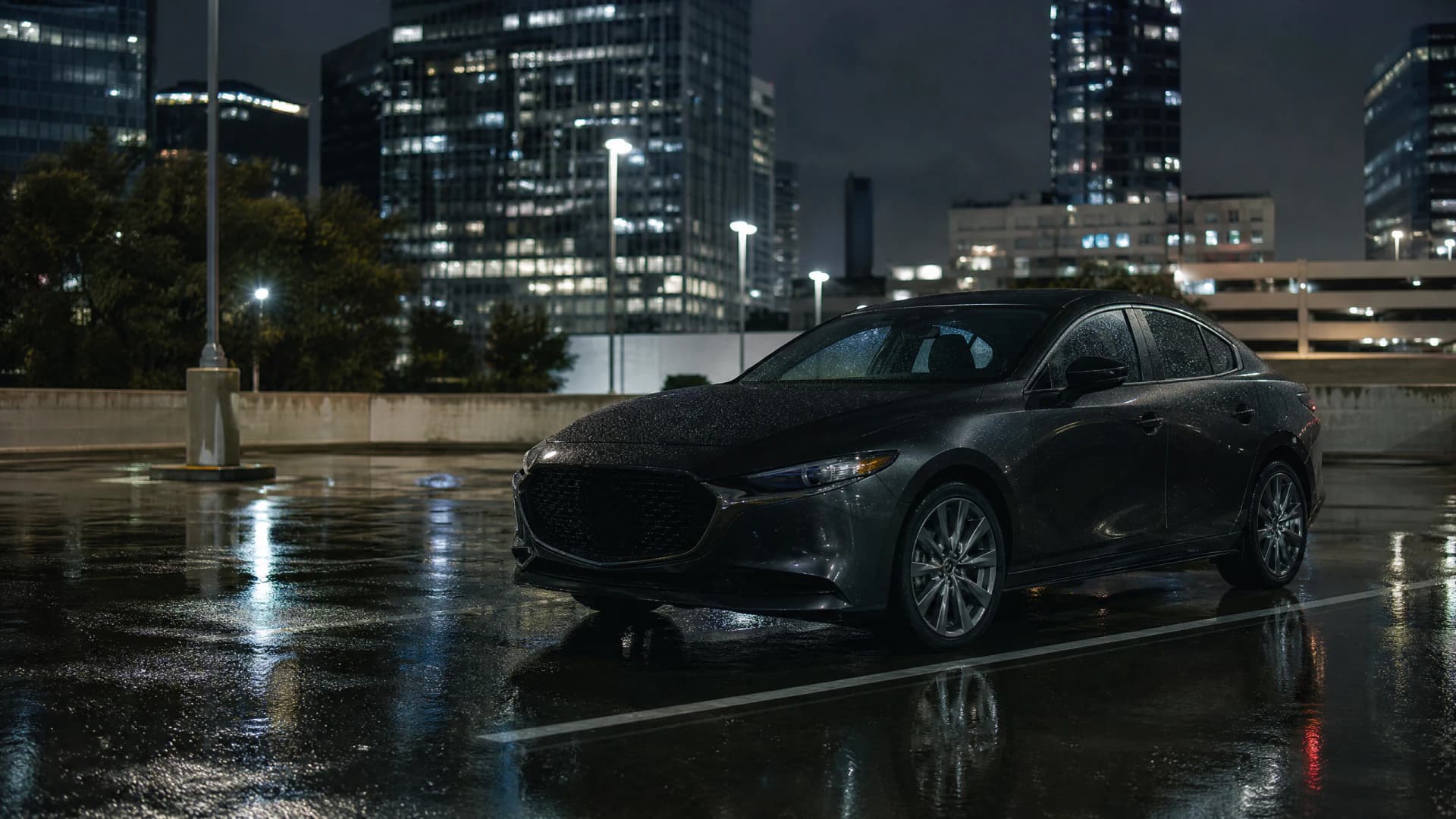
Minimum liability protects the other driver. Full coverage protects your own cars. The gap between them is the household's out-of-pocket exposure when a vehicle is totaled.




How Deductibles Shape the Cost-Benefit Calculation
Both collision and comprehensive require a deductible — the amount you pay out of pocket before the policy pays the rest. Common deductibles are $500 or $1,000. Choosing a higher deductible lowers your premium; choosing a lower deductible raises it. The deductible applies per vehicle, per claim.
In a multi-car household, the deductible structure matters more than in a single-car household. If two cars are damaged in the same storm, you pay two deductibles. If you total one car and your spouse totals another in separate accidents within the same policy term, you pay two collision deductibles. The premium savings from a higher deductible compound across multiple vehicles, but so does the out-of-pocket exposure when multiple claims hit at once.
The conventional threshold: if a vehicle's market value is less than ten times the annual collision and comprehensive premium for that car, dropping full coverage on that vehicle and self-insuring the loss often makes financial sense. For a household with three cars, this calculation runs separately for each vehicle.
11.7%
Louisiana Uninsured Motorist Rate
More than one in ten drivers on Louisiana roads carries no insurance. Your full-coverage policy protects your own vehicles when an uninsured driver causes the accident and cannot pay for your damage.
Insurance Information Institute, 2023

When Full Coverage Makes Sense for Multiple Vehicles
Full coverage is not an all-or-nothing decision across your household's vehicles. Most carriers let you structure coverage vehicle by vehicle on the same policy. You can carry full coverage on financed or newer cars and drop it on older paid-off vehicles, keeping all cars on one policy to preserve the multi-car discount.
Households that rely on every vehicle for daily commuting, school runs, or work trips face higher replacement urgency than households with a spare car. If losing one vehicle disrupts the household's ability to function, full coverage on that vehicle is structural insurance, not optional. If one car sits in the driveway most weeks, the calculus shifts — the household can absorb its loss without immediate replacement pressure.
Compare Carriers Writing Louisiana Multi-Car Policies
Louisiana's insurance market includes carriers that specialize in multi-vehicle households and carriers that price each car individually with minimal multi-car adjustment. State Farm, Geico, Progressive, and Allstate all write multi-car policies in Louisiana and offer online quoting. The difference in how each carrier prices collision and comprehensive across multiple vehicles can exceed the difference in liability premiums.
When comparing quotes, confirm that every vehicle on the policy carries the same liability limits but that collision and comprehensive can vary by vehicle. A quote that forces uniform full coverage across all cars will overprice older vehicles. A quote that allows per-vehicle collision and comprehensive elections with shared liability limits gives you the flexibility to structure coverage around actual vehicle values. Compare at least three carriers that write your household's vehicle count and confirm each quote reflects Louisiana's $15,000/$30,000/$25,000 minimums as the liability floor.
What Collision and Comprehensive Actually Cover
Collision coverage pays to repair or replace your vehicle after an accident, regardless of fault. If you rear-end another car, sideswipe a guardrail, or roll your vehicle, collision pays for your car's damage minus your deductible. It does not cover the other driver's vehicle — that's what your liability coverage handles. Collision is the piece that keeps a multi-car household mobile after an at-fault accident.
Comprehensive coverage pays for non-collision losses: theft, hail, flood, fire, vandalism, hitting an animal, and falling objects. Louisiana's weather patterns — hurricanes, severe thunderstorms, and flooding — make comprehensive coverage particularly relevant for households garaging multiple vehicles. A single storm can damage every car in a driveway. Comprehensive responds to all of them, subject to each vehicle's deductible.
Get Your Free Quote
Get My Louisiana Car Insurance QuoteFrequently Asked Questions
Does Louisiana require full coverage car insurance?
No. Louisiana requires only liability coverage: $15,000 per person for bodily injury, $30,000 per accident, and $25,000 for property damage. Collision and comprehensive coverage are optional unless your lender requires them. Full coverage is a household decision, not a state mandate.
Can I carry full coverage on one car and minimum coverage on another?
Yes. Most carriers let you structure coverage vehicle by vehicle on the same multi-car policy. You can carry full coverage on financed or newer vehicles and drop it on older paid-off cars while keeping all vehicles on one policy to preserve the multi-car discount.
What does comprehensive coverage pay for in Louisiana?
Comprehensive pays for non-collision losses: theft, hail, flood, fire, vandalism, hitting an animal, and falling objects. Louisiana's hurricane and flood exposure makes comprehensive particularly relevant for households garaging multiple vehicles. It does not cover collision damage — that requires separate collision coverage.
How does the deductible work when I insure multiple cars?
The deductible applies per vehicle, per claim. If two cars are damaged in the same storm, you pay two deductibles. If you choose a $500 deductible and total one car, you pay $500 out of pocket before the policy pays the rest. The deductible structure compounds across multiple vehicles.
Should I drop full coverage on an older car to save money?
If the vehicle's market value is less than ten times the annual collision and comprehensive premium for that car, dropping full coverage and self-insuring the loss often makes financial sense. Run the calculation separately for each vehicle in your household. A 12-year-old sedan may not justify full coverage; a financed SUV does.
Does full coverage protect me from uninsured drivers in Louisiana?
Full coverage protects your own vehicles when you cause the accident or when a non-collision event damages them. It does not automatically cover you when an uninsured driver hits you — that requires uninsured motorist property damage coverage, which is optional in Louisiana. Confirm your policy includes it if uninsured-driver protection matters to your household.