
Car Insurance Coverage Needs — Louisiana
Free to compare
The Multi-Vehicle Coverage Question Louisiana Households Actually Face
You added a second or third car to your Louisiana policy, and now you are deciding whether every vehicle needs the same coverage or whether you can tier limits and optional coverages by what each car is worth. Dropping collision on the older car would lower the premium, but you are not sure whether splitting coverage levels across vehicles on the same policy creates a gap or costs you the multi-car discount.
Louisiana law sets a floor — $15,000 bodily injury per person, $30,000 per accident, $25,000 property damage — but it does not tell you how much liability to carry when you own multiple cars, whether to add uninsured motorist coverage when 11.7% of Louisiana drivers carry no insurance, or how to structure collision and comprehensive when vehicle values vary widely. The multi-car discount requires every vehicle on one policy, but it does not require identical coverage on every car. The structural question is whether tiering coverage by vehicle makes financial sense or introduces risk you have not accounted for.
“Liability limits apply per accident, not per vehicle — you cannot predict which car you will be driving when a crash happens.”

Get More Than the Louisiana Minimum for Less
Get My Louisiana Car Insurance Quote11.7%
Louisiana Uninsured Motorist Rate
More than one in ten Louisiana drivers carries no insurance. A collision with an uninsured driver leaves you covering your own vehicle damage and injury costs unless you added uninsured motorist coverage to your policy.
Insurance Research Council, 2023
What Louisiana's 15/30/25 Minimum Actually Covers Across Multiple Vehicles
Louisiana's minimum liability — $15,000 per person, $30,000 per accident, $25,000 property damage — applies per accident, not per vehicle. If you cause a crash while driving any car on your policy, the same $30,000 bodily injury limit covers all injured parties combined, and the same $25,000 property damage limit covers all damaged vehicles and property. Owning three cars does not triple your liability protection; it triples your exposure to being the at-fault driver.
The minimum covers a single-car accident with minor injuries. It does not cover a multi-vehicle crash where you injure two people and total two cars. A household with multiple vehicles faces higher odds of being involved in a crash simply because more cars are on the road more often, yet the state minimum treats a one-car household and a four-car household identically.
Liability coverage is the one coverage type you should carry at identical limits across every vehicle on your policy. You cannot predict which car will be involved in a crash, and the at-fault driver's liability limit applies regardless of which vehicle they were driving.
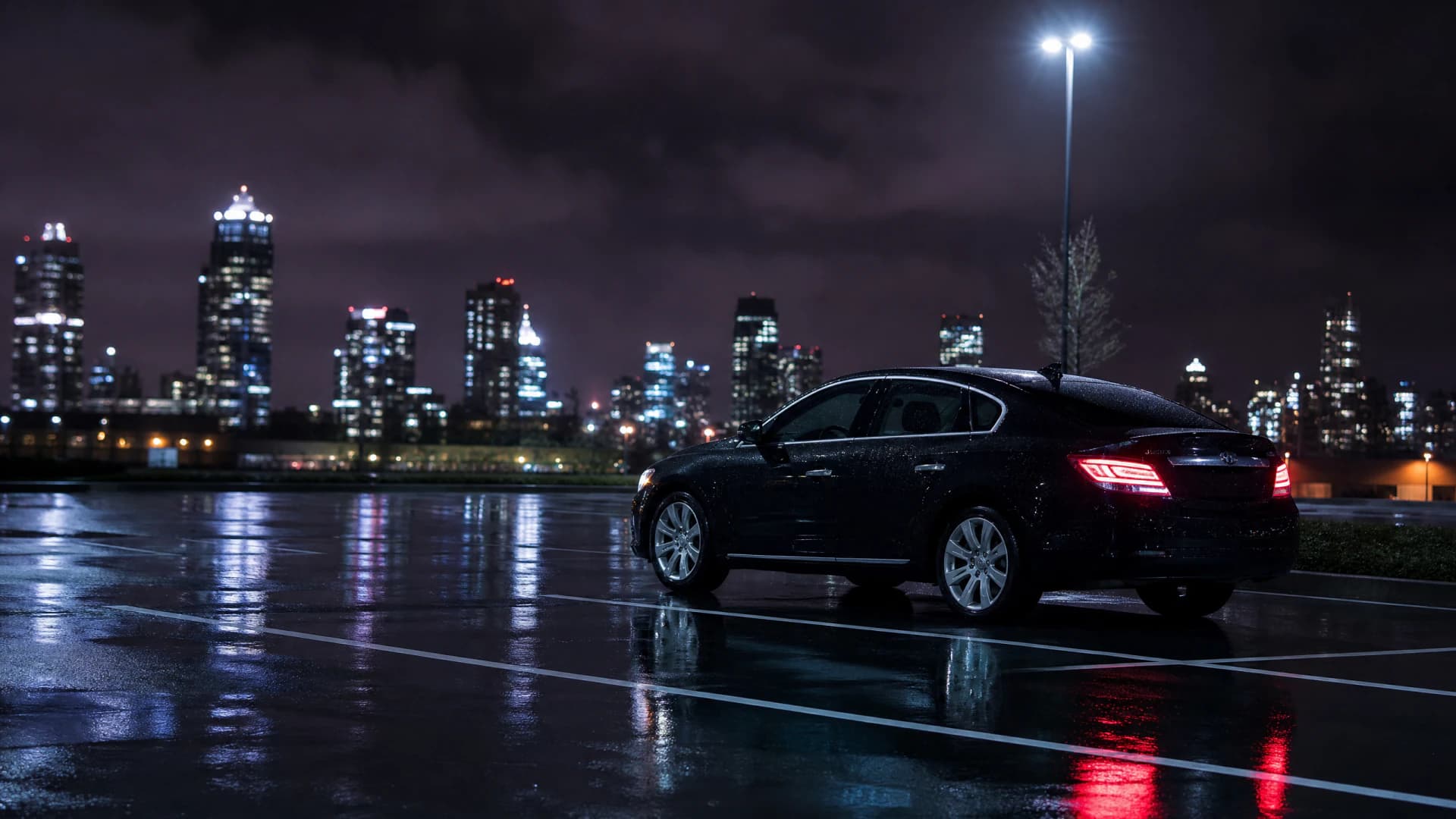
Liability limits apply per accident, not per vehicle. Tiering liability coverage across your cars creates a gap you cannot control — you do not choose which car you will be driving when a crash happens.
Related Articles



Uninsured Motorist Coverage and the 11.7% Risk in Louisiana
Louisiana does not require uninsured motorist coverage, but 11.7% of drivers on Louisiana roads carry no insurance. If an uninsured driver hits your car, their liability coverage does not exist — you are left covering your own vehicle damage and injury costs. Collision coverage pays for your vehicle damage regardless of fault, but it does not cover your medical bills or lost wages. Uninsured motorist bodily injury coverage fills that gap.
Uninsured motorist coverage is priced per policy, not per vehicle, so adding it protects every car and every driver on your policy without multiplying the cost by the number of vehicles. A household with three cars pays the same uninsured motorist premium as a household with one car, assuming identical limits. Louisiana households insuring multiple vehicles get more coverage value from uninsured motorist than single-car households do, because the protection applies to every vehicle and every driver under one premium.
Underinsured motorist coverage works the same way but applies when the at-fault driver carries insurance below your own limits. Households carrying higher liability limits should add underinsured motorist coverage at matching limits; otherwise the higher liability limit protects others but not you.
$15,000 / $30,000 / $25,000
Louisiana Minimum Liability Limits
Louisiana requires $15,000 bodily injury per person, $30,000 per accident, and $25,000 property damage. These limits apply per accident, not per vehicle, and have not changed in decades despite rising medical and vehicle-replacement costs.
Louisiana Office of Motor Vehicles
How Adding Vehicles Mid-Term Re-Rates the Entire Policy
When you add a vehicle to an existing Louisiana policy, the carrier re-rates the entire policy, not just the new car. The multi-car discount increases with the third and fourth vehicle, but so does the base premium — more cars means more exposure. The new total premium reflects the combined risk of all vehicles, all drivers, and all coverage elections across the policy. If the new vehicle is higher-risk — a sports car, a vehicle with a financed balance requiring full coverage, or a car driven by a young driver — the re-rating can raise the per-vehicle average even as the multi-car discount grows.
Carriers apply the multi-car discount to the policy premium after calculating the base cost of insuring each vehicle individually. The discount typically ranges from 10% to 25% depending on the carrier and the number of vehicles, but the percentage is applied to a higher base as vehicles are added. The multi-car discount reduces what you would pay for three separate policies, but it does not reduce the total cost below what you paid for two vehicles.
Compare Carriers That Write Multi-Vehicle Policies in Louisiana
Nineteen carriers write multi-vehicle policies in Louisiana, and their treatment of tiered coverage, multi-car discounts, and uninsured motorist pricing varies. Some carriers offer larger multi-car discounts but higher base rates; others price uninsured motorist coverage more competitively for households with multiple vehicles. The combination of base rate, discount structure, and optional-coverage pricing determines the total cost, and the lowest-cost carrier for a single vehicle is often not the lowest-cost carrier for three or four.
Request quotes that reflect your actual coverage structure: identical liability limits across all vehicles, collision and comprehensive on financed and newer cars only, and uninsured motorist coverage at limits matching your liability. Comparing identical coverage across carriers shows you which combination of base rate and multi-car discount produces the lowest total premium for your household. Louisiana law requires proof of insurance for every vehicle, but it does not require identical coverage — structure your policy to protect what you cannot afford to lose and compare the total cost across carriers that write your coverage needs.
How to Tier Collision and Comprehensive by Vehicle Value
Collision pays to repair or replace your car after a crash, minus your deductible. Comprehensive pays for theft, weather damage, vandalism, and animal strikes. Both are optional under Louisiana law, but lenders require them on financed vehicles. Once a car is paid off and its value drops below a threshold where the annual premium plus deductible exceeds what the car is worth, dropping these coverages makes financial sense.
The tiering decision: carry collision and comprehensive on financed vehicles and newer paid-off cars you cannot afford to replace, and drop them on older paid-off vehicles where the replacement cost is low enough that you can cover it from savings. Louisiana households with three or four vehicles often carry full coverage on two cars and liability-only on the others. The multi-car discount applies to the policy as a whole; dropping collision on one vehicle does not forfeit the discount as long as every vehicle stays on the same policy.
Get Your Free Quote
Get My Louisiana Car Insurance QuoteFrequently Asked Questions
Do I need the same liability limits on every car in Louisiana?
Yes. Liability limits apply per accident, not per vehicle, so the limit that matters is the one attached to whichever car you were driving when the crash occurred. Carry identical liability limits across every vehicle on your Louisiana policy.
Can I drop collision on an older car and keep it on a newer one?
Yes. Collision and comprehensive protect your own vehicle, and you can tier these coverages by vehicle value without affecting your liability protection or multi-car discount. Drop collision on paid-off cars where the annual premium plus deductible exceeds the vehicle's replacement value. Keep it on financed vehicles and newer cars you cannot afford to replace.
Does adding a third vehicle lower my per-car cost in Louisiana?
Not usually. The multi-car discount increases with the third vehicle, but the total policy premium also increases because you are insuring more cars. The discount reduces what you would pay for three separate policies, but the total cost is higher than insuring two vehicles. Compare total policy cost across carriers, not per-vehicle averages.
Is uninsured motorist coverage worth it for multiple cars?
Yes. Uninsured motorist coverage is priced per policy, not per vehicle, so adding it protects every car and every driver on your policy without multiplying the cost. With 11.7% of Louisiana drivers uninsured, the coverage fills the gap when an at-fault driver has no insurance to pay your medical bills or lost wages.
Do all my vehicles need to be on the same policy to get the multi-car discount?
Yes. The multi-car discount requires every vehicle to sit on the same policy. A car titled to a household member on a separate policy does not count toward the discount. If you are combining households or adding a vehicle mid-term, confirm with the carrier that all vehicles are listed on one policy before assuming the discount applies.
What happens if I carry minimum liability and cause a multi-vehicle crash in Louisiana?
Louisiana's $30,000 per-accident bodily injury limit covers all injured parties combined, and the $25,000 property damage limit covers all damaged vehicles.