
Minimum vs Full Coverage — Louisiana
Free to compare
The Coverage Decision Every Louisiana Multi-Car Household Faces
You own two or three vehicles. Louisiana law requires $15,000 per person, $30,000 per accident in bodily injury liability, and $25,000 in property damage liability on every car you register. That minimum keeps you legal. It does not protect a single dollar of damage to your own vehicles when someone hits you and flees, when hail shatters windshields across your driveway, or when you slide into a guardrail during a rainstorm on I-10.
Full coverage adds collision and comprehensive to the state-mandated liability minimum. Collision pays to repair or replace your vehicle after an accident regardless of fault. Comprehensive covers theft, vandalism, weather damage, and animal strikes. The question is whether the additional premium across multiple vehicles justifies the protection, or whether you self-insure the risk and pocket the difference.
“Minimum liability protects others when you cause an accident; it provides zero coverage for damage to any vehicle you own.”

Get More Than the Louisiana Minimum for Less
Get My Louisiana Car Insurance Quote$15,000/$30,000/$25,000
Louisiana Minimum Liability
Louisiana requires $15,000 bodily injury per person, $30,000 bodily injury per accident, and $25,000 property damage liability on every registered vehicle. These limits protect others when you cause an accident; they provide zero coverage for damage to your own cars.
Louisiana Office of Motor Vehicles
What Minimum Liability Actually Covers Across Your Vehicles
Minimum liability is a one-way protection. When you cause an accident, your $15,000/$30,000/$25,000 policy pays the other driver's medical bills up to $15,000 per injured person and $30,000 total per accident, plus up to $25,000 for their vehicle and property damage. Every car on your policy carries this same coverage. If you own three vehicles and cause an accident while driving one of them, the liability limits apply to that single incident, not per vehicle.
Minimum liability does nothing when someone else causes the accident. If an uninsured driver totals your car, your minimum-liability-only policy pays zero toward your own repair or replacement. If your parked vehicle is stolen from your driveway, minimum liability pays zero. If a tree falls on your car during a hurricane, minimum liability pays zero. The coverage exists to satisfy Louisiana's financial responsibility law and protect you from lawsuits after an at-fault accident. It does not exist to protect your household's vehicles.
Louisiana does not mandate uninsured motorist coverage or personal injury protection. You can add both as optional coverages. Uninsured motorist coverage pays your medical bills and vehicle damage when an at-fault driver has no insurance; it functions as a safety net when the other driver cannot pay. Personal injury protection covers your own medical expenses regardless of fault. Both are additions to minimum liability, not substitutes for collision and comprehensive.
When you insure multiple vehicles under one policy, every car on that policy carries the same liability limits unless you explicitly structure coverage differently. Most carriers do not allow you to carry minimum liability on one vehicle and full coverage on another under the same policy number. You choose one coverage structure and apply it to every listed vehicle, or you split vehicles across separate policies with different coverage levels.
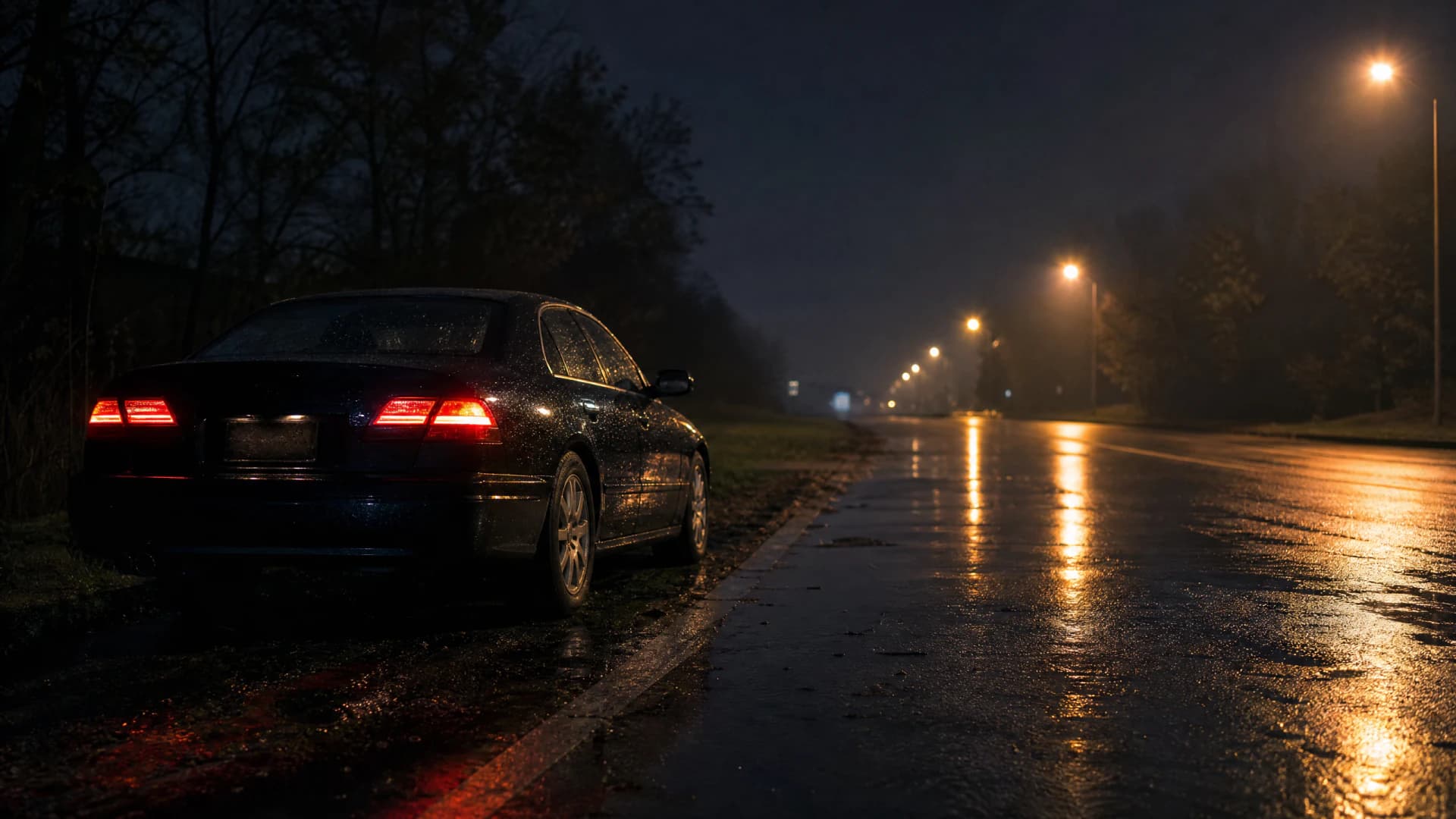
Minimum liability protects others when you cause an accident. It provides zero coverage for damage to any vehicle you own, regardless of how many cars sit on your policy.
Related Articles



How the Math Changes When You Insure Multiple Vehicles
Adding collision and comprehensive to one vehicle raises your premium. Adding both to two or three vehicles raises it further, but not proportionally. Most carriers apply a multi-car discount when you insure two or more vehicles on the same policy, and that discount applies to the total premium including collision and comprehensive. The discount typically ranges from a modest percentage to a more substantial reduction depending on the carrier, but the actual savings depends on your household's driving history, vehicle values, garaging location, and coverage selections.
The decision to carry full coverage across multiple vehicles hinges on vehicle value and replacement cost. A general threshold: if a vehicle's market value is low enough that you could replace it out of pocket without financial hardship, dropping collision and comprehensive on that specific vehicle and keeping minimum liability may make sense. If losing any vehicle on your policy would create immediate financial strain, full coverage protects that risk. When you own multiple cars, you can structure coverage differently across separate policies, but most households find managing one policy with uniform coverage simpler than splitting vehicles to save incrementally on older cars.
Deductibles are per vehicle, per incident. Choosing a higher deductible lowers your premium but increases your out-of-pocket cost at claim time. For households with multiple vehicles, a higher deductible on every car can produce meaningful annual savings, but only if you can afford to pay that deductible multiple times in a single event.
Lenders and lessors require collision and comprehensive until you pay off the loan or return the leased vehicle. If you finance two cars and own a third outright, you must carry full coverage on the financed vehicles regardless of your preference. You can drop collision and comprehensive on the owned vehicle, but doing so under a single policy may require splitting that vehicle onto a separate minimum-liability-only policy. Most carriers do not allow mixed coverage levels on a single policy number.
11.7%
Louisiana Uninsured Motorist Rate
More than one in ten Louisiana drivers carries no insurance. When an uninsured driver causes an accident, your minimum-liability-only policy provides no coverage for your own vehicle damage. Uninsured motorist property damage coverage or collision coverage fills that gap.
Insurance Research Council, 2023
The Uninsured Driver Gap Minimum Liability Leaves Open
Louisiana's 11.7% uninsured motorist rate means roughly one in nine drivers on the road carries no insurance. When one of them causes an accident that damages your vehicle, your minimum-liability-only policy pays nothing toward your repair or replacement cost. You can sue the at-fault driver, but an uninsured driver typically has no assets to collect against. The vehicle damage becomes your financial responsibility.
Collision coverage solves this problem indirectly. Collision pays regardless of fault, so when an uninsured driver hits you, your collision coverage pays your repair cost minus your deductible, and your carrier pursues the at-fault driver for reimbursement. You are made whole immediately rather than waiting on a lawsuit. Uninsured motorist property damage coverage is another option: it pays your vehicle damage when an uninsured or underinsured at-fault driver causes the accident, without requiring you to pay a collision deductible. Louisiana does not mandate uninsured motorist coverage, but carriers must offer it. For households with multiple vehicles, uninsured motorist property damage provides a lower-cost alternative to collision when the primary concern is protection against uninsured drivers rather than at-fault accidents you cause.
Compare Carriers That Write Multi-Car Policies in Louisiana
Nineteen carriers write auto insurance in Louisiana and offer online quotes or broker-assisted quotes for multi-car households. Coverage availability, multi-car discount structures, and how each carrier prices collision and comprehensive across multiple vehicles vary. State Farm, Geico, Progressive, Allstate, and Farmers all write multi-car policies in Louisiana with online quoting. Comparing quotes from at least three carriers gives you a realistic range of what minimum liability costs versus full coverage across your specific vehicles, garaging location, and household driving history. Enter your vehicle details, coverage preferences, and household drivers once; request quotes for both minimum liability and full coverage with identical deductibles to see the actual dollar difference.
What Full Coverage Adds to a Multi-Car Policy
Collision coverage pays to repair or replace your vehicle after an accident with another car, a guardrail, a pole, or any object, regardless of who caused the collision. You pay a deductible — typically $500 or $1,000 per vehicle — and the carrier pays the rest up to your car's actual cash value. When you carry collision on a multi-car policy, every vehicle on that policy is covered. If two of your cars are damaged in the same accident, you pay one deductible per vehicle.
Comprehensive coverage pays for damage that does not involve a collision: theft, vandalism, hail, flood, fire, falling objects, and animal strikes. Louisiana's Gulf Coast location and hurricane exposure make comprehensive coverage particularly relevant for households with multiple vehicles parked in the same driveway. A single storm can damage every car you own; comprehensive pays the actual cash value minus your deductible for each vehicle. Lenders require both collision and comprehensive when you finance or lease a vehicle. Once you own the car outright, you decide whether to keep both, drop both, or keep only comprehensive.
Get Your Free Quote
Get My Louisiana Car Insurance QuoteFrequently Asked Questions
Can I carry minimum liability on one car and full coverage on another under the same Louisiana policy?
Most carriers do not allow mixed coverage levels on a single policy number. You typically choose one coverage structure and apply it to every vehicle listed on that policy, or you split vehicles across separate policies with different coverage levels. Splitting policies eliminates the multi-car discount and increases administrative complexity.
Does Louisiana require uninsured motorist coverage on a multi-car policy?
No. Louisiana does not mandate uninsured motorist coverage, but carriers must offer it. You can add uninsured motorist bodily injury and uninsured motorist property damage as optional coverages to protect against at-fault drivers who carry no insurance. Given Louisiana's 11.7% uninsured motorist rate, many households add this coverage.
What happens if I drop collision and comprehensive on all my vehicles and someone steals one?
Your minimum-liability-only policy pays nothing. Comprehensive coverage pays for theft; minimum liability does not. You absorb the full replacement cost of the stolen vehicle. If you financed or leased the vehicle, you still owe the lender the remaining loan balance even though you no longer have the car.
How does the multi-car discount apply when I add full coverage to every vehicle?
The multi-car discount applies to your total premium, including liability, collision, and comprehensive. The discount percentage depends on the carrier, but it reduces the combined cost of insuring multiple vehicles on one policy compared to insuring each vehicle separately. The discount does not change based on whether you carry minimum liability or full coverage.
Can I keep comprehensive but drop collision on an older vehicle in my multi-car policy?
Some carriers allow you to carry comprehensive without collision on individual vehicles within the same policy. Comprehensive-only coverage is common for older paid-off vehicles where theft and weather damage remain concerns but collision repair costs exceed the vehicle's value. Confirm with your carrier whether they permit this structure on a multi-car policy.
What is the deductible structure when I insure three cars with full coverage?
You choose one deductible amount per coverage type, and it applies per vehicle, per incident. If you select a $500 collision deductible and two of your cars are damaged in the same accident, you pay $500 for each vehicle.