
Best Car Insurance Companies — Louisiana
Free to compare
Louisiana's Multi-Vehicle Carrier Landscape
You manage insurance for two or more vehicles in Louisiana, and the state's roster of 19 licensed carriers splits into three distinct tiers: preferred carriers that reward clean records with multi-car discounts, standard carriers that write most households regardless of minor violations, and non-standard carriers that specialize in high-risk drivers but rarely discount for additional vehicles. Most comparison advice treats all 19 as interchangeable options, but the tier structure determines whether adding a second or third car lowers your per-vehicle rate or simply multiplies your base premium.
Louisiana households with multiple vehicles face a structural decision: preferred-tier carriers like State Farm, USAA, and Amica offer the steepest multi-car discounts but require clean driving records and good credit. Standard-tier carriers like Geico, Progressive, and Allstate write broader risk profiles and still discount for multiple vehicles, though less aggressively. Non-standard carriers like The General, Bristol West, and Direct Auto write drivers with DUIs, suspensions, or lapses but structure policies per vehicle rather than per household, meaning a third car costs nearly as much as the first.
“The carrier tier you qualify for determines whether adding vehicles saves money or simply multiplies your base rate.”

Get More Than the Louisiana Minimum for Less
Get My Louisiana Car Insurance Quote$146/mo
Louisiana Average Premium
The NAIC Auto Insurance Database Report 2023 places Louisiana's average monthly auto insurance expenditure at $146 per insured vehicle, but multi-vehicle households typically pay less per car when all vehicles sit on one policy with a carrier that writes their tier.
NAIC Auto Insurance Database Report 2023
How Carrier Tier Determines Multi-Car Savings
The multi-car discount exists because insurers spread fixed policy costs—underwriting, billing, customer service—across multiple vehicles. Preferred-tier carriers build aggressive multi-vehicle discounts into their rate structure because they compete for low-risk households that own multiple cars. Standard-tier carriers offer smaller discounts because they write broader risk profiles and cannot subsidize additional vehicles as deeply. Non-standard carriers rarely discount at all because their customer base consists of single-vehicle drivers rebuilding after violations, and the actuarial risk of each vehicle remains high regardless of how many sit on the policy.
Louisiana's fault system and minimum liability requirements of $15,000 per person, $30,000 per accident, and $25,000 property damage create baseline premium floors that vary by carrier tier. Preferred carriers assume you carry higher limits and bundle home insurance, so they price multi-car policies assuming lower claim frequency. Standard carriers price each vehicle closer to its individual risk. Non-standard carriers price each vehicle as if it were the only one, because statistically it often is.
When you add a second vehicle to a preferred-tier policy, the discount applies to both cars. When you add a third, the discount deepens. Standard-tier carriers apply smaller per-vehicle reductions. Non-standard carriers add the new vehicle at nearly full rate, because the discount structure assumes stable, low-risk households that their underwriting guidelines exclude.
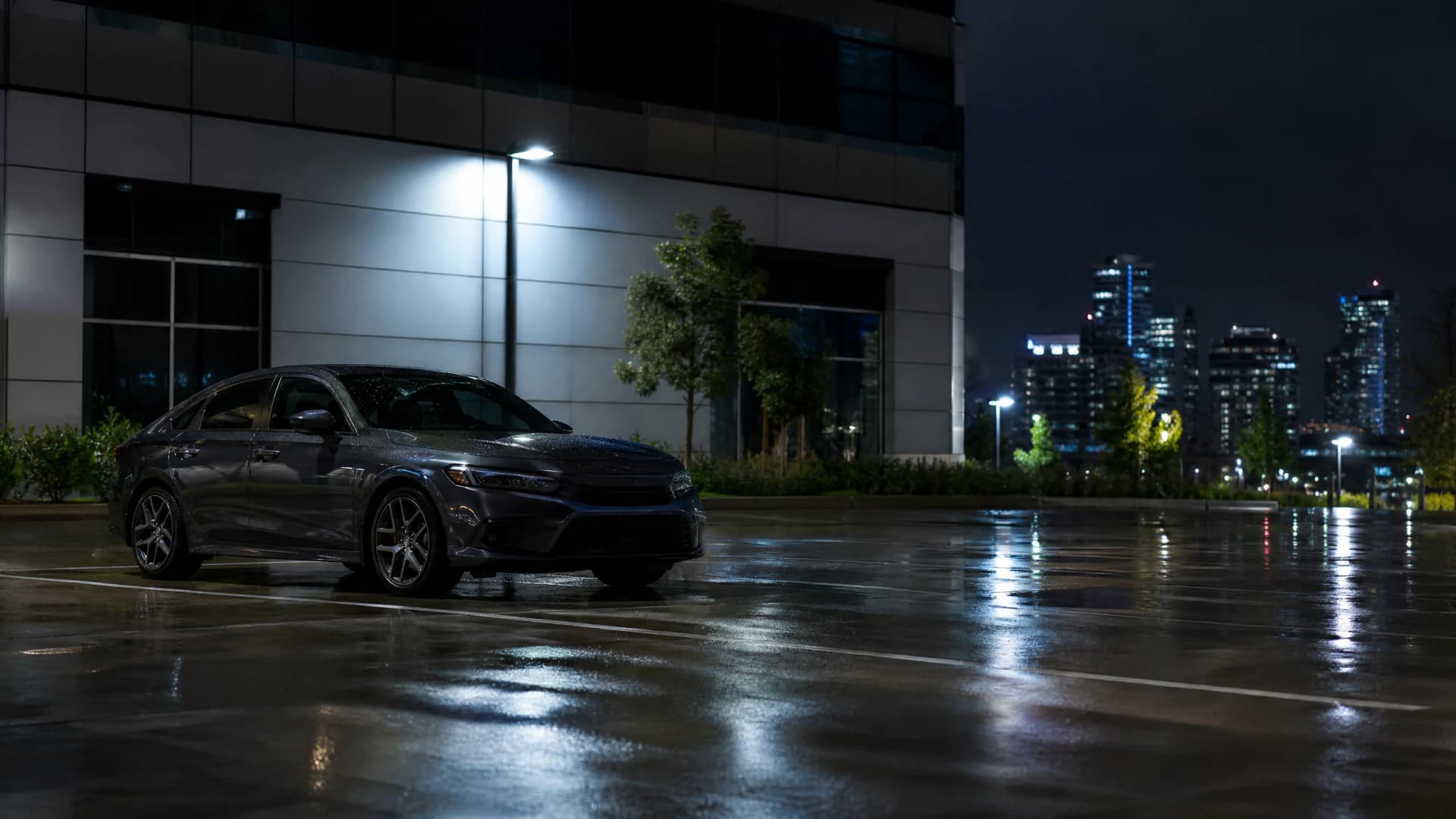
The carrier tier you qualify for determines whether adding vehicles saves money or simply multiplies your base rate—most households assume all 19 Louisiana carriers discount for multiple cars, but only preferred and standard tiers do.
Related Articles
Licensed Car Insurance Carriers in Louisiana
7/15/2026
Cheapest Car Insurance Company in Louisiana
7/15/2026

Cheap Car Insurance Companies in Louisiana
7/15/2026

Choosing a Car Insurer in Louisiana
7/15/2026

Full-Coverage Multi-Car Carriers in Louisiana
7/15/2026

Cheapest Multi-Car Insurance — Louisiana
7/15/2026

Standard-Tier Carriers and Broader Risk Profiles
Standard-tier carriers write most Louisiana households: clean records, minor violations one or two years old, credit in the fair-to-good range, and drivers who do not qualify for preferred pricing but do not require non-standard coverage. Geico, Progressive, Allstate, and Farmers dominate this tier and all offer multi-car discounts, though smaller than preferred carriers. A household with two vehicles and one minor speeding ticket from 18 months ago will quote preferred rates at State Farm but may find better per-vehicle pricing at Geico or Progressive, because standard carriers price the violation less punitively and still discount for the second car.
Standard carriers write non-owner policies, accept drivers with one at-fault accident in the past three years, and do not penalize fair credit as harshly as preferred carriers. The multi-car discount applies to every vehicle on the policy, but the base rate per vehicle starts higher than preferred tier, so the net savings from adding a second or third car are smaller in absolute terms. Progressive and Geico both write Louisiana households with mixed driving records—one clean driver and one with a minor violation—and apply the multi-car discount to the entire policy, not per driver.
Liberty Mutual, Travelers, and Hartford also write standard tier in Louisiana and offer multi-car discounts, though their base rates skew higher than Geico or Progressive for households that do not bundle home insurance. National General writes standard and non-standard risks and applies multi-car discounts selectively based on underwriting, so a household with three vehicles may receive a discount on two but not the third if one vehicle is high-risk.
19 carriers
Louisiana Licensed Auto Insurers
Louisiana's roster includes 19 carriers writing auto insurance as of the most recent state filings, split across preferred, standard, and non-standard tiers. Only carriers in preferred and standard tiers consistently offer multi-vehicle discounts; non-standard carriers price policies per vehicle.
Louisiana Office of Insurance carrier roster

Non-Standard Carriers and High-Risk Households
Non-standard carriers write drivers preferred and standard carriers decline: recent DUIs, suspended licenses, SR-22 filings, multiple at-fault accidents, or lapses longer than six months. The General, Bristol West, and Direct Auto all write Louisiana non-standard risks and all file SR-22 certificates electronically with the Louisiana Office of Motor Vehicles, but none structure policies to reward multi-vehicle households. A driver with a DUI adding a second car to a non-standard policy pays nearly double the single-car rate, because the insurer prices each vehicle independently and applies no meaningful multi-car discount.
Non-standard carriers exist to write risks other carriers will not touch, and their actuarial models assume single-vehicle households with high claim frequency. Adding a second vehicle does not lower the insurer's per-vehicle risk, so the discount structure preferred and standard carriers use does not apply. If your household includes one driver with a clean record and one with a DUI, splitting the vehicles across two policies—one preferred or standard, one non-standard—often costs less than combining both vehicles on a single non-standard policy.
Compare Carriers That Write Your Household Structure
Louisiana's 19-carrier roster creates comparison complexity because most households qualify for multiple tiers depending on which driver and which vehicle the insurer evaluates first. A household with two vehicles, one clean driver and one with a two-year-old speeding ticket, will receive preferred quotes from State Farm if the clean driver is listed first, standard quotes from Geico regardless of driver order, and non-standard quotes from The General if the violation is recent enough. The multi-car discount applies only when all vehicles sit on one policy, so splitting vehicles across two carriers to optimize tier placement forfeits the discount entirely.
Start by identifying which tier your household qualifies for: if every driver has a clean record for three years and good credit, request quotes from State Farm, USAA, and Amica. If your household includes one minor violation or fair credit, request quotes from Geico, Progressive, and Allstate. If your household includes a DUI, SR-22 requirement, or recent suspension, request quotes from The General, Bristol West, and Direct Auto, but understand that adding vehicles to a non-standard policy multiplies cost rather than reducing it. Compare per-vehicle rates across at least three carriers in your tier, and confirm that every vehicle on the policy is garaged at the same Louisiana address—most carriers require this for the multi-car discount to apply.
Preferred-Tier Carriers for Multi-Vehicle Households
State Farm holds the largest market share in Louisiana and writes multi-car policies with aggressive per-vehicle discounts for households that meet preferred underwriting: no at-fault accidents in three years, no major violations in five years, and credit in the good-to-excellent range. USAA writes military-affiliated households exclusively and offers comparable multi-car discounts with similarly strict underwriting. Amica writes preferred risks nationwide and discounts heavily for bundling home and auto, but requires spotless records and high credit scores. All three require every vehicle on the policy to be garaged at the same Louisiana address and titled to household members on the same policy.
Preferred carriers assume you carry liability limits above Louisiana's statutory minimums and often require collision and comprehensive on financed vehicles. They price multi-car policies assuming low claim frequency, so a household with three vehicles and no claims history pays significantly less per car than three separate single-car policies. If your household includes a driver with a recent DUI, an at-fault accident in the past three years, or a lapse longer than 30 days, preferred carriers either decline to quote or price you into standard tier, where the multi-car discount shrinks.
Get Your Free Quote
Get My Louisiana Car Insurance QuoteFrequently Asked Questions
Which Louisiana carriers offer the best multi-car discounts?
State Farm, USAA, and Amica offer the steepest multi-car discounts in Louisiana but require clean driving records and good credit. Geico and Progressive offer smaller discounts and write broader risk profiles. Non-standard carriers like The General rarely discount for additional vehicles.
Do all 19 Louisiana auto insurers discount for multiple vehicles?
No. Preferred-tier carriers like State Farm and standard-tier carriers like Geico offer multi-car discounts, but non-standard carriers like The General and Bristol West price each vehicle independently and apply minimal or no discount for adding cars.
Can I split my household's vehicles across two carriers to save money?
Splitting vehicles across two carriers forfeits the multi-car discount, which requires all vehicles on one policy. A household with mixed driving records may save more by placing all vehicles with a standard-tier carrier than splitting them between preferred and non-standard policies.
What underwriting requirements do preferred-tier carriers have in Louisiana?
Preferred carriers require no at-fault accidents in three years, no major violations in five years, good-to-excellent credit, and liability limits above Louisiana's statutory minimums. Households with recent violations or fair credit typically quote into standard tier.
How does Louisiana's minimum liability requirement affect multi-car policies?
Louisiana requires $15,000 per person, $30,000 per accident bodily injury, and $25,000 property damage. Preferred carriers assume you carry higher limits and price multi-car policies accordingly. Standard and non-standard carriers price closer to statutory minimums, which raises per-vehicle base rates.
Do Louisiana carriers require all vehicles garaged at the same address for multi-car discounts?
Yes. Most carriers require every vehicle on the policy to be garaged at the same Louisiana address and titled to household members. A vehicle garaged at a second address or titled to someone outside the household typically does not qualify for the same-policy discount.